
Application Guide
2026.08.20
Tips for Applying Plaster: Point 1
The materials you’ll need and the preparation process vary depending on the type of substrate. First, check the material of the wall or ceiling you plan to apply the plaster to.

Vinyl Wallpaper: RecommendedThe interiors of existing buildings—such as single-family homes, apartments, and stores—are almost always covered with vinyl wallpaper. You can tell the difference between vinyl, paper, and fabric wallpaper by spraying water on the surface with a spray bottle. If the surface does not absorb the water, it is vinyl wallpaper, and you can apply plaster over it. |
Paper or fabric wallpaperIf wallpaper is already on the wall but you’re not sure whether it’s vinyl, paper, or fabric, you can tell the difference by spraying it with water from a spray bottle. If it absorbs the water, it’s paper or fabric wallpaper, so you can remove all of it and paint over the surface. |
Plasterboard ( Recommended )In new construction and remodeling projects, the substrate is almost always drywall, and a special installation method is used when applying a plaster finish. To prevent cracking, proper joint treatment and substrate preparation are crucial. Consult with a contractor or carpenter and have a professional handle the substrate preparation to ensure your walls are crack-resistant and long-lasting. |
Mortar and Concrete: RecommendedThis is commonly seen in reinforced concrete (RC) structures, particularly on exposed concrete surfaces or where wallpaper has been removed. Any chipped areas or holes must be filled. |
Old Walls (Sand-Plaster Walls, Fiber-Reinforced Walls, Kyoto-Style Earthen Walls): Caution RequiredThese are commonly found in older homes. Since stains on the walls can cause discoloration, be sure to apply a thorough coat of sealer before applying the plaster. In the case of severely deteriorated old walls, the old wall surface may peel away along with the plaster after application, causing cracks or the wall to become loose. |
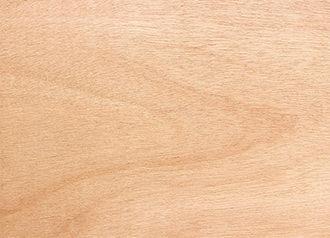
Plywood and Particleboard: Caution RequiredEven if the majority of the substrate consists of gypsum board, plywood is often used for window frames. Since plywood tends to bleed, be sure to apply a thorough coat of sealer before applying the plaster. |
◉ Let’s Prepare Our Tools
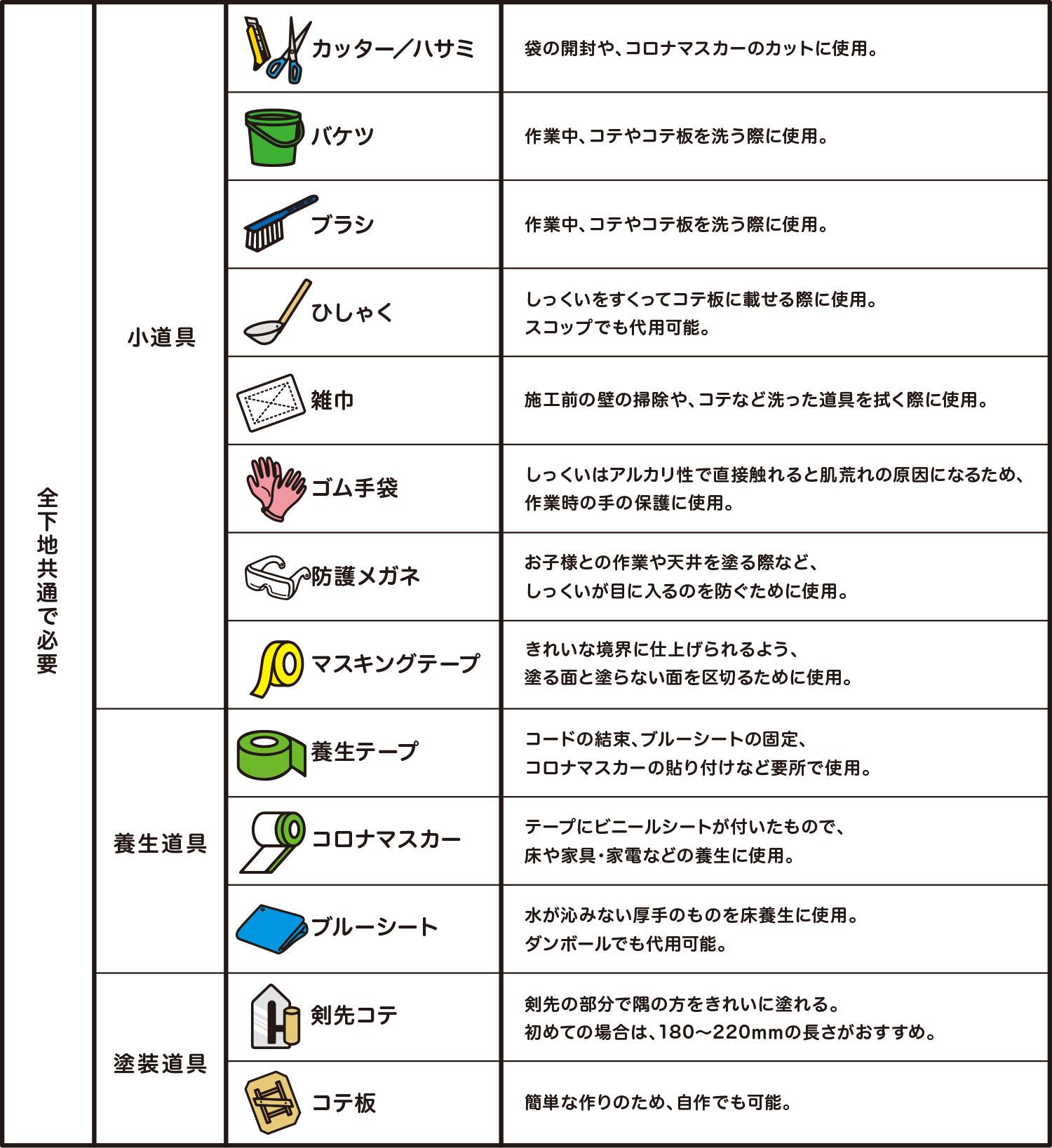
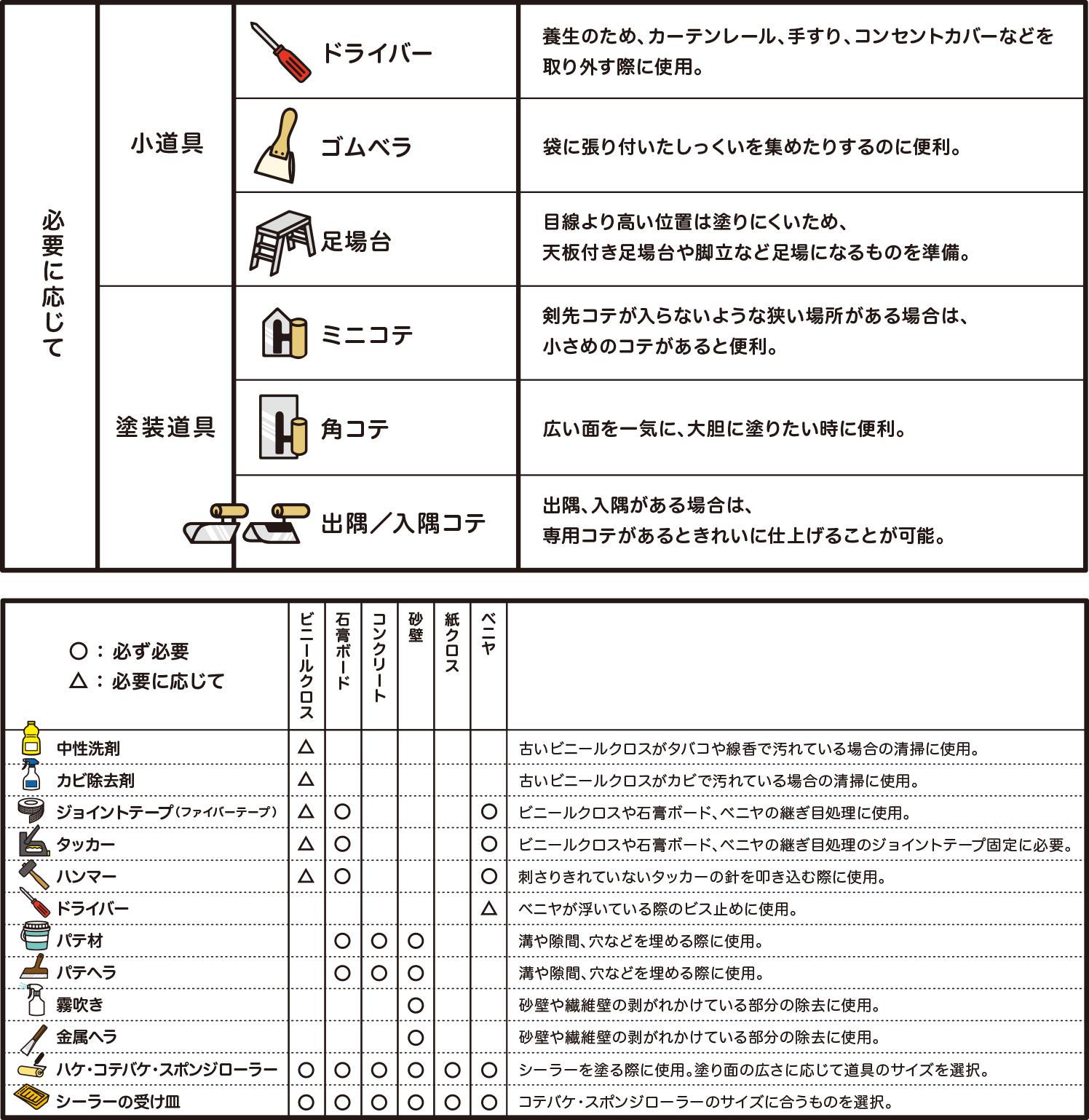
 |
Point! How to Choose a Trowel When you first apply the material to the wall, use a stiff trowel that doesn’t bend much; when smoothing the material afterward, a trowel made of stainless steel or another material that bends slightly is recommended. Trowels measuring 180–220 mm are the easiest to use. |
Here are the tools you’ll need to apply plaster with NURI2! Let’s take a look at the tools we’ll be using!

