
Application Guide
2026.08.20
Tips for Applying Plaster #9
Now it’s time to apply the pattern you tested beforehand. We’ll show you the best timing for applying patterns and some techniques to make the process easier.
When to Apply Patterns
When applying a pattern, finish plastering the entire wall first, then wait a while until the plaster has dried to a consistency that makes it easy to apply the pattern. Since the drying speed of plaster varies depending on temperature, weather, and the substrate, check the timing by touching an inconspicuous area near the floor.
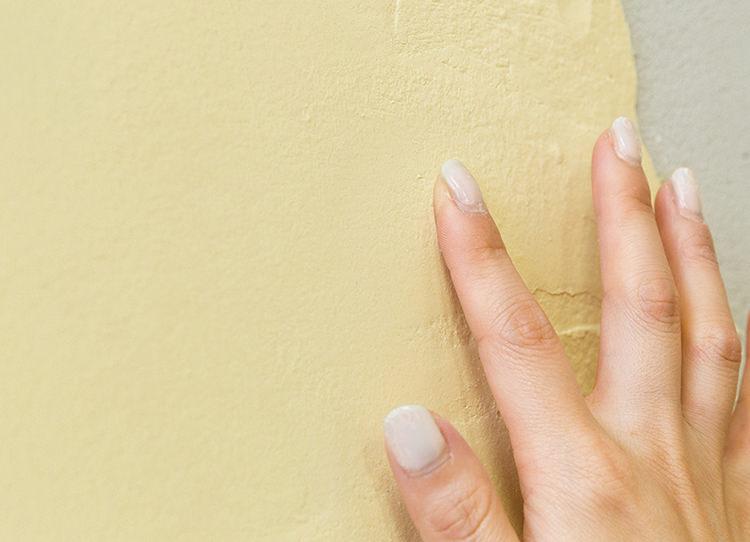
OK! A faint fingerprint remains
 |
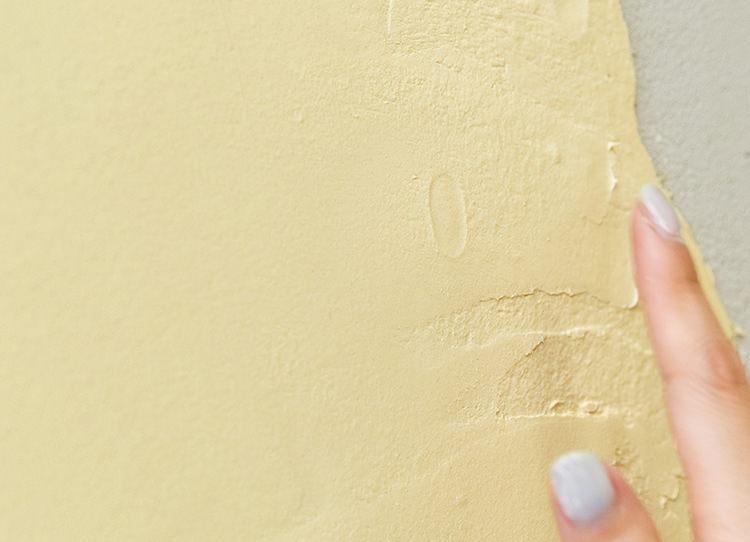 |
Gently press the palm of your finger against the plastered wall; if a faint fingerprint remains, the plaster is at the perfect dryness level for creating patterns. |
|
NG! No fingerprint left behind
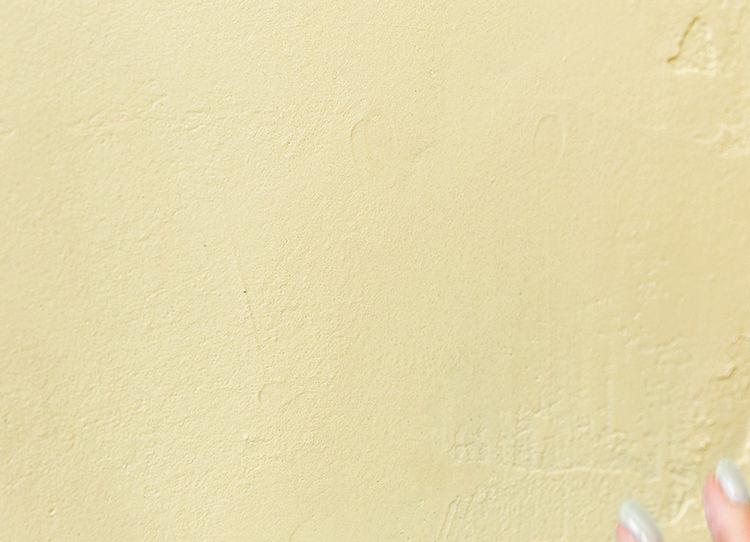
If your fingerprint doesn’t leave a mark on the plaster, it’s too dry, making it difficult to create a pattern. Apply another thin coat of plaster and try again.
NG! Plaster sticks to your finger
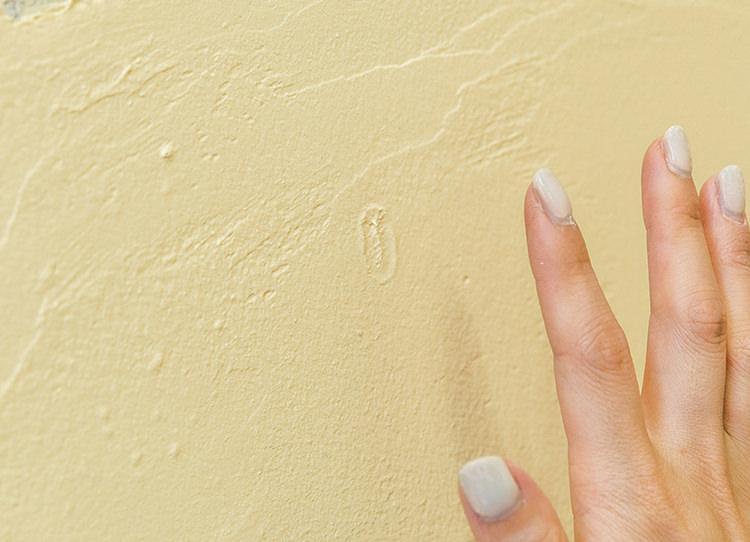
If plaster sticks to your fingers, it means it’s not dry enough yet to create a pattern. Wait a little while, then touch it again to check.
Easy Ways to Create Patterns
With NURI2, you can easily create patterns using everyday items like sponges and brushes—or even the tools you use while applying the plaster. Discuss with your family what patterns to make, or have your children join in to leave letters or handprints as a keepsake. Create a one-of-a-kind wall filled with memories.
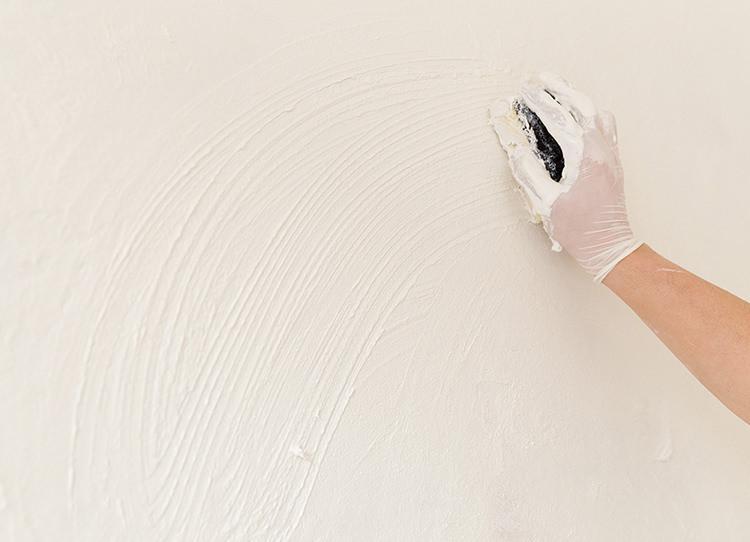 Creating Patterns with a Sponge You can create patterns with a sponge using either its soft, textured side or its rough, firm side. Hold it lightly and stroke the wall in circular motions, or draw flowing lines or waves in the same direction—depending on how you move the sponge, you can create walls with a variety of different looks. |
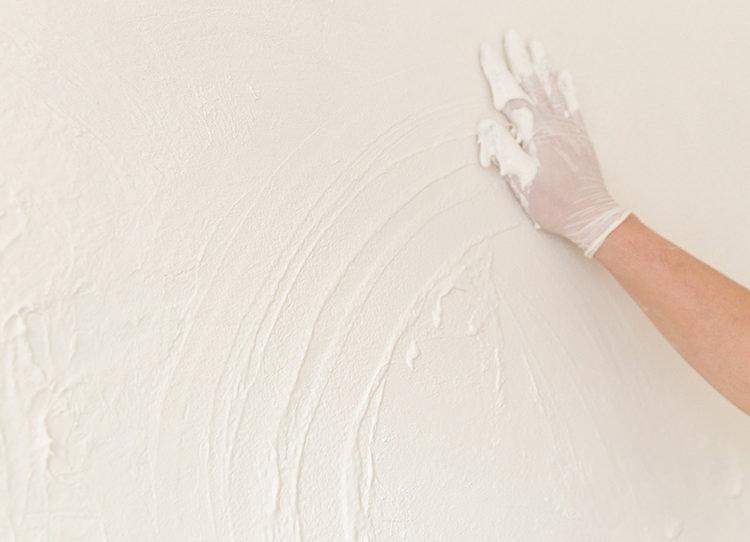 Creating Patterns by Hand You don’t need any special tools. Simply put on a pair of thin rubber gloves and gently stroke the wall with your hands to create a soft, subtle pattern with minimal texture. When making handprints for your children, be sure to wear gloves or take other precautions to avoid direct contact with the plaster, so you can create a memorable keepsake. |
Painting Patterns
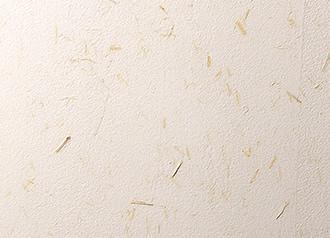
Mix Straw
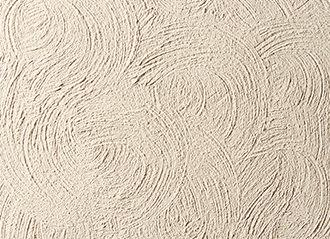
Sponge Sweeely
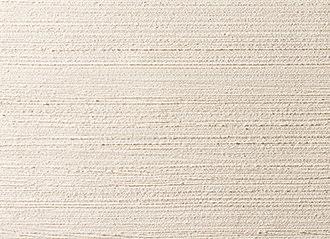
Paintbrush, Straight
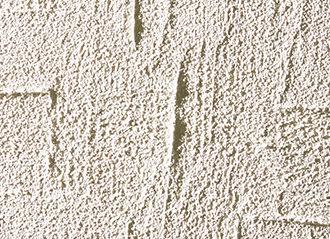
At Random Square
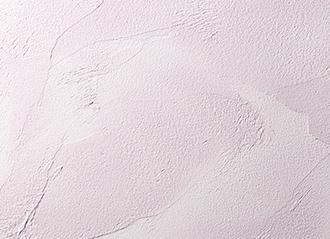
Assorted Colors
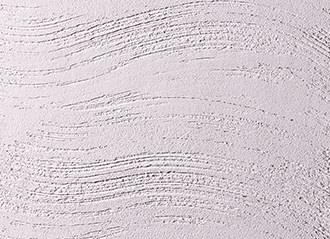
Paint Brush Wave
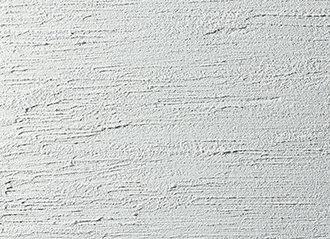
Rough Border
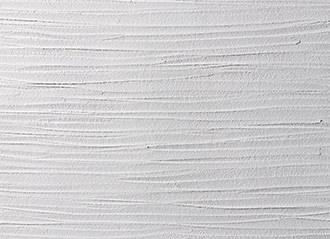
Natural Border
Check out these 9 pattern finishes using NURI2! You can easily create stylish patterns using items you already have at home!

