
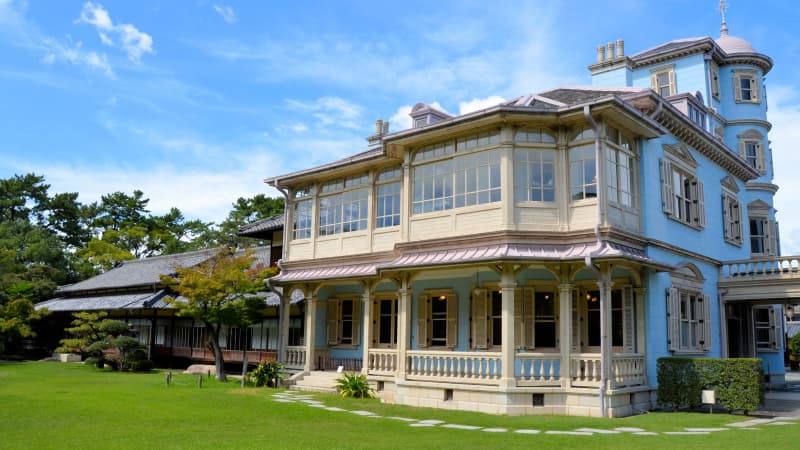
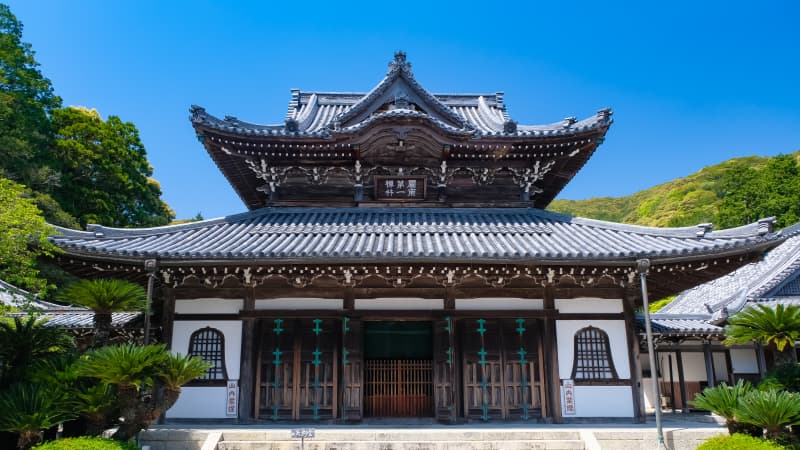
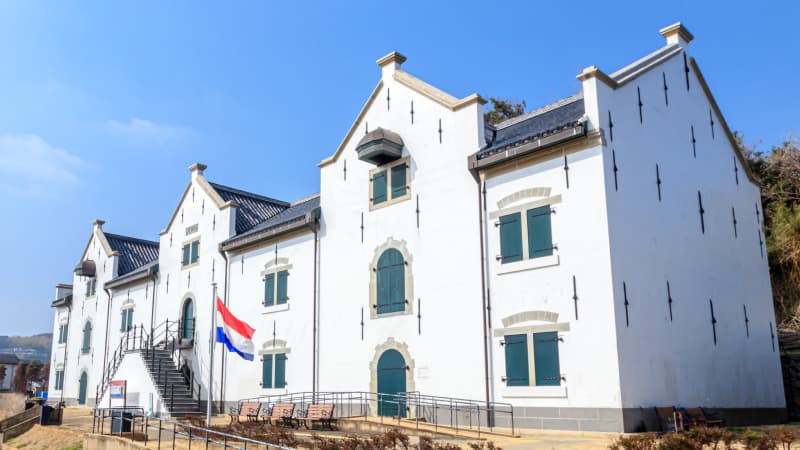
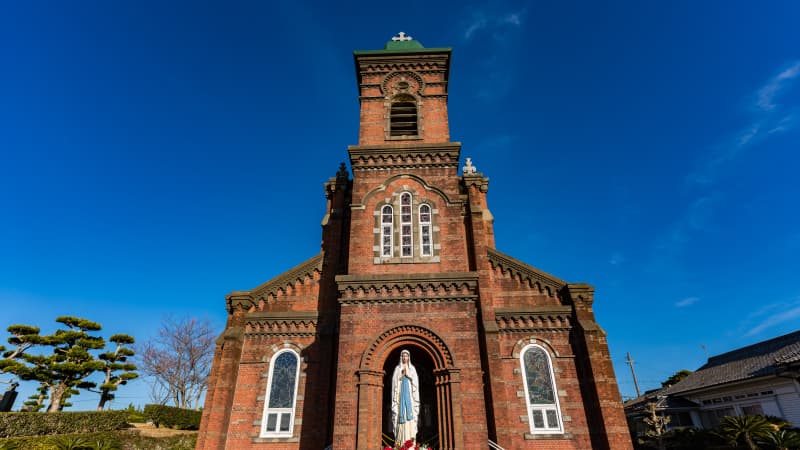
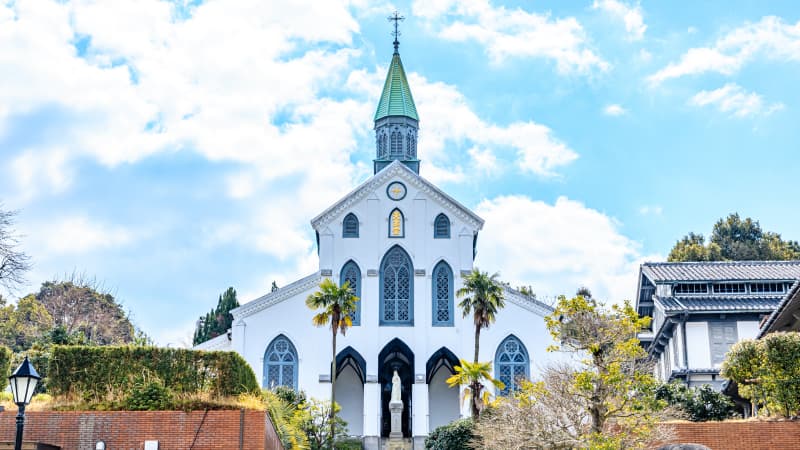
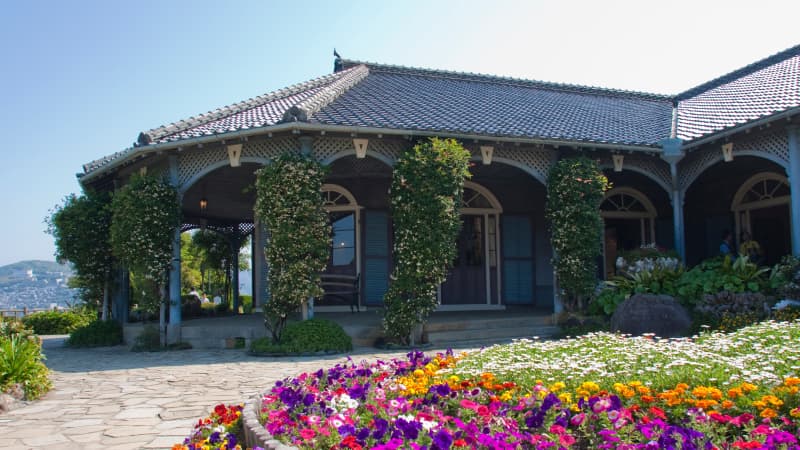
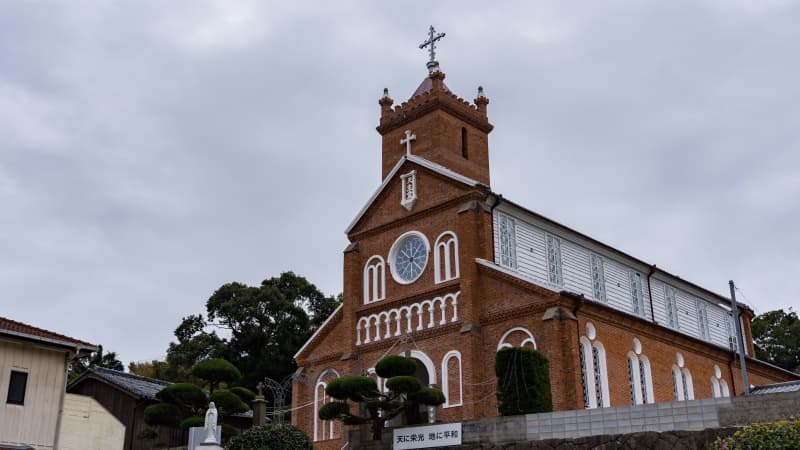
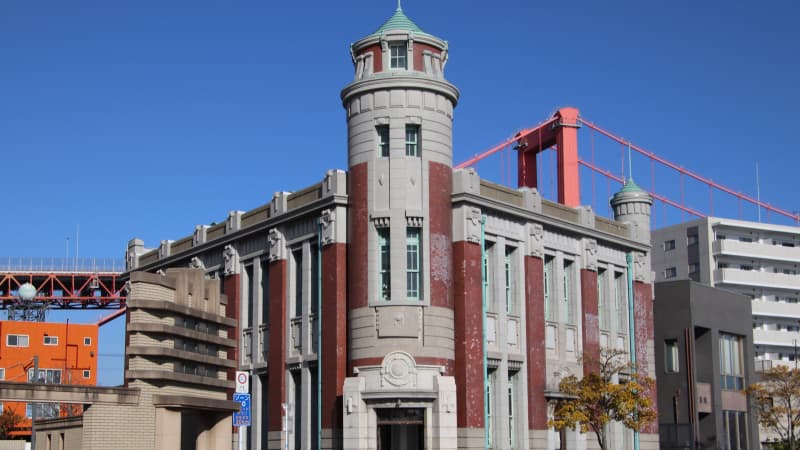
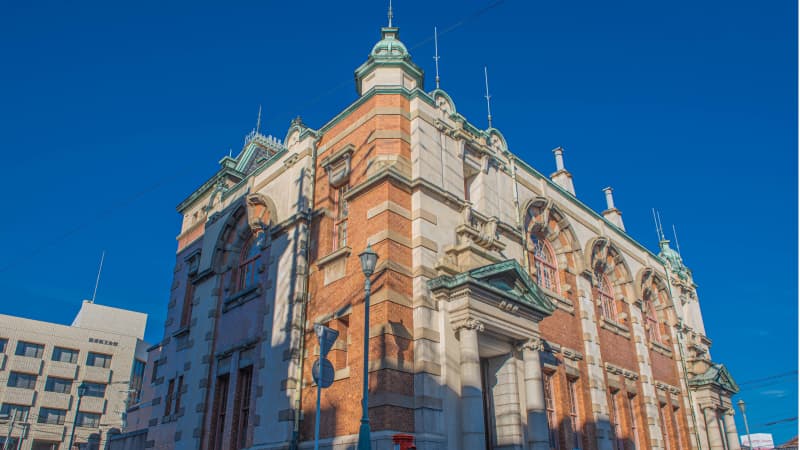
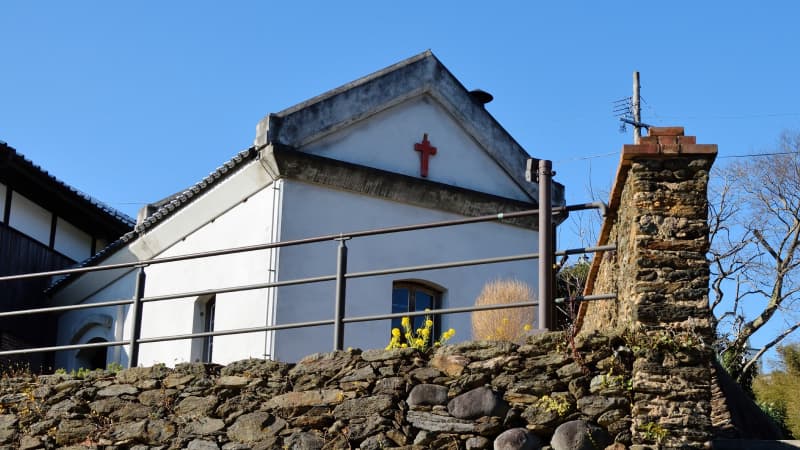
Former Latin Seminary in Nagasaki
Former Latin Seminary in Nagasaki
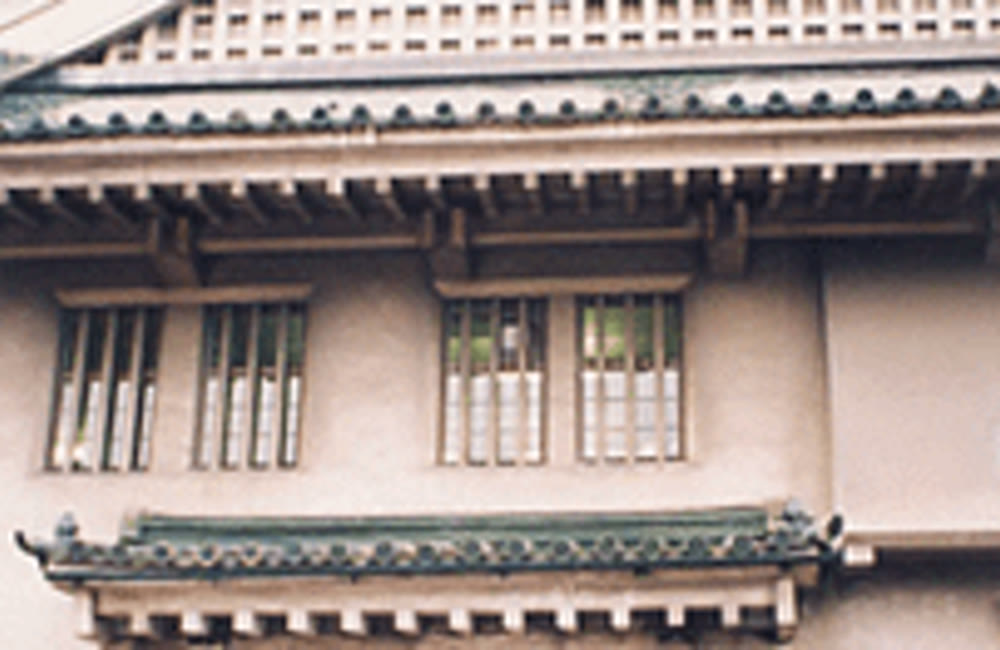
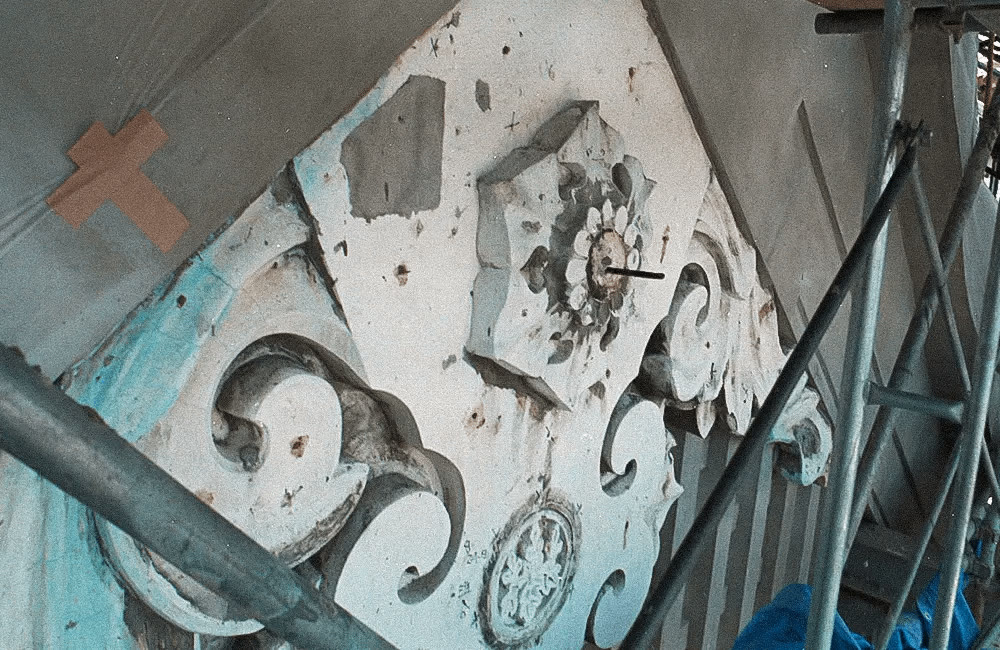
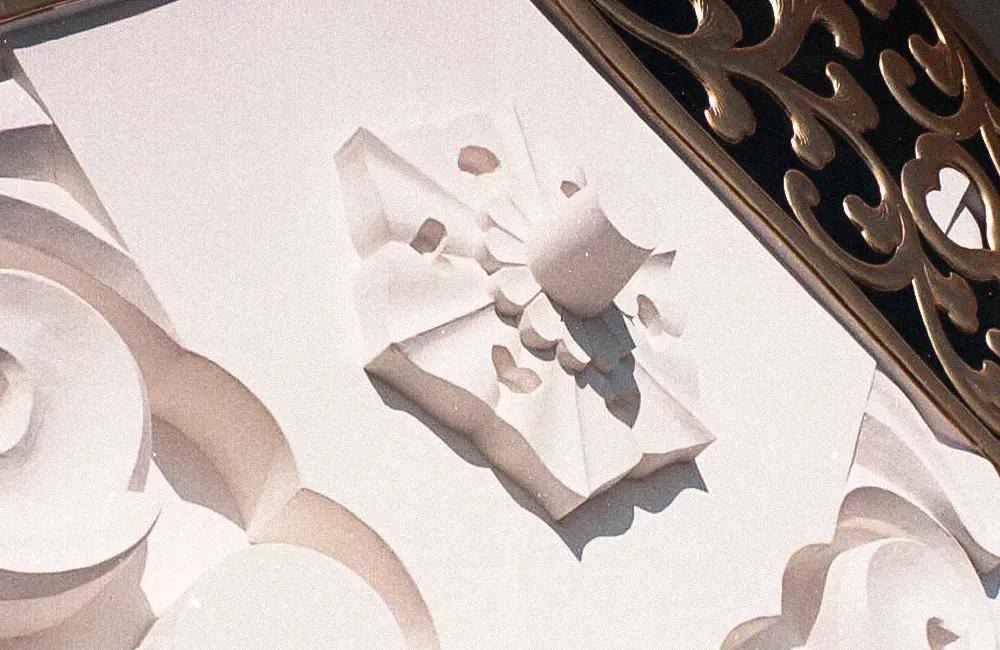
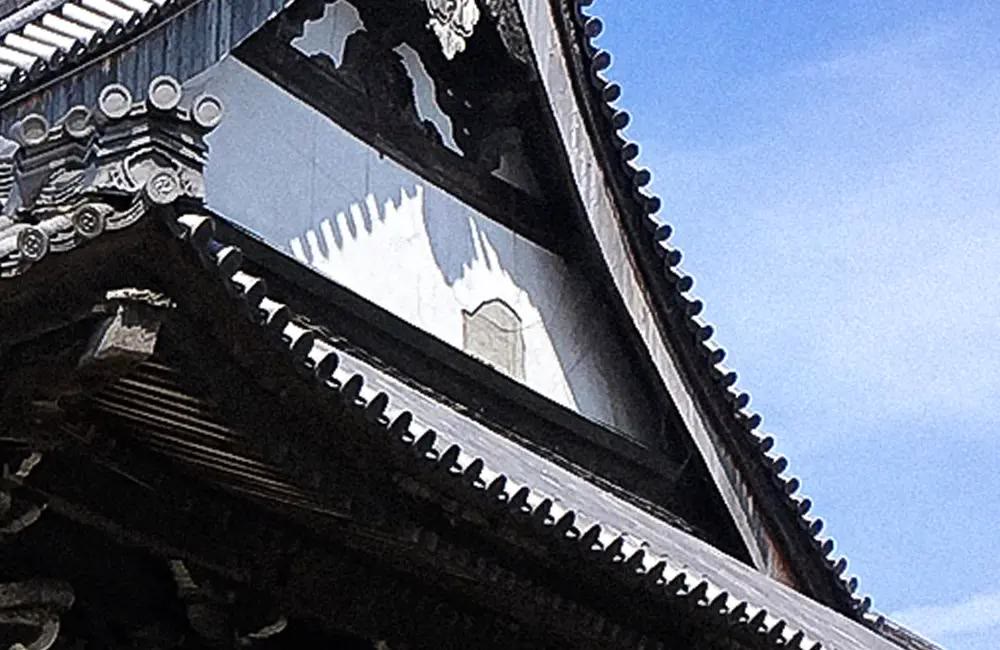
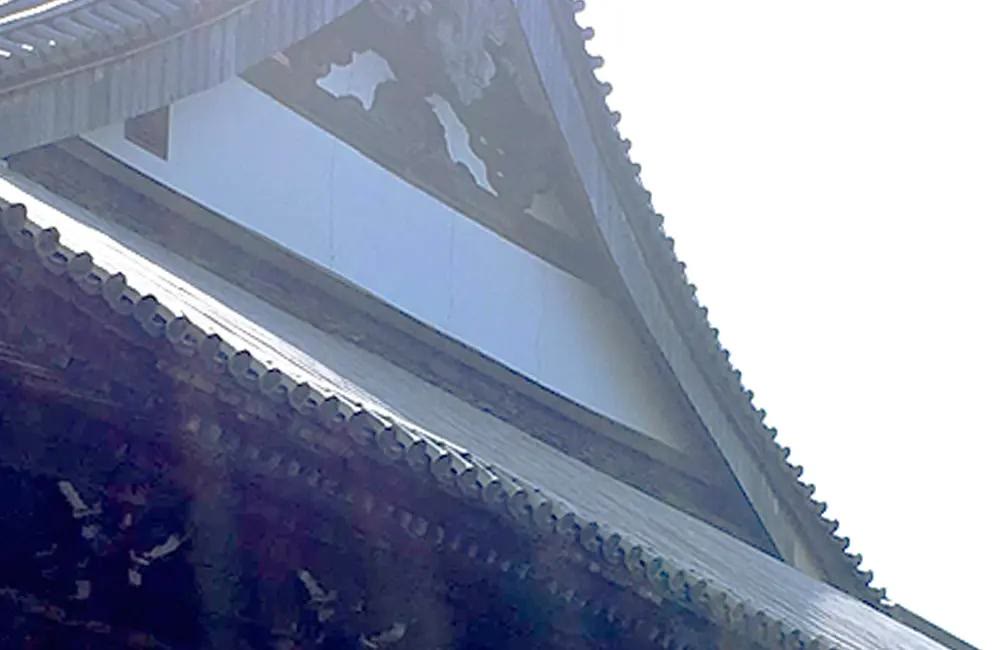
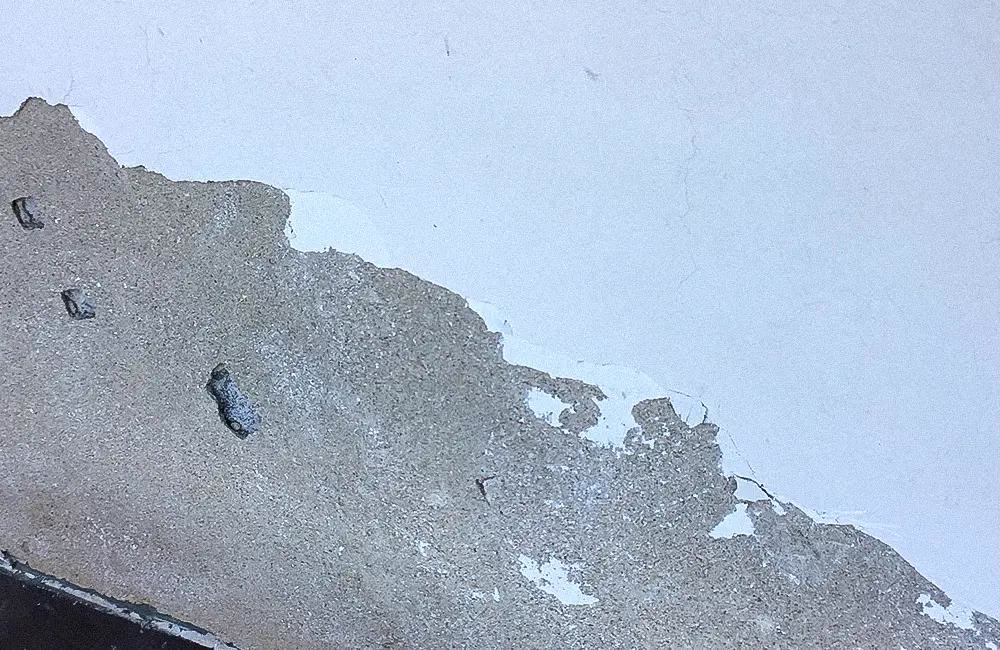
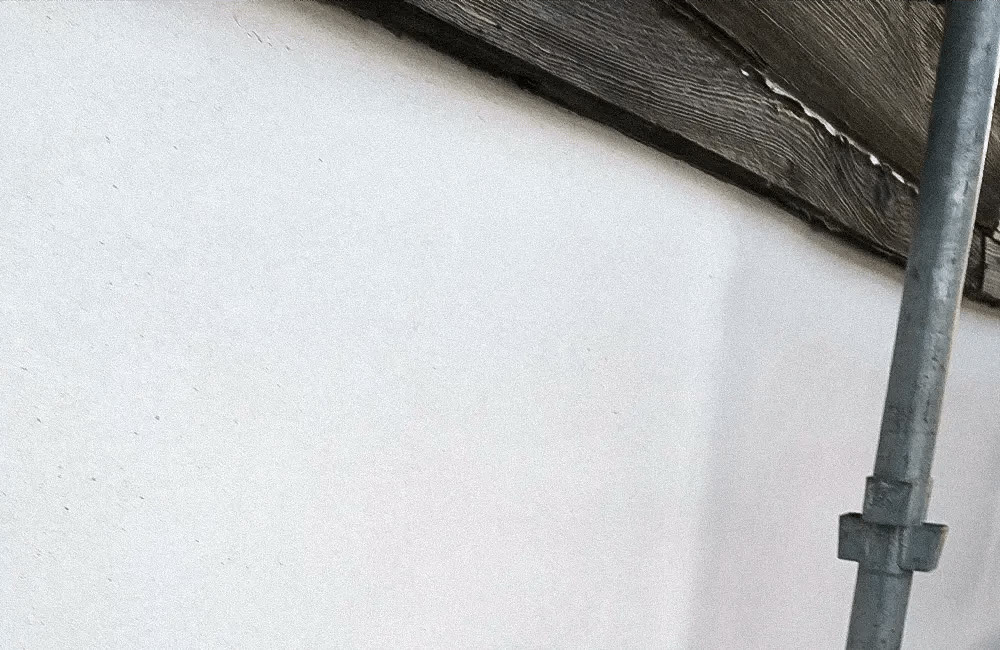
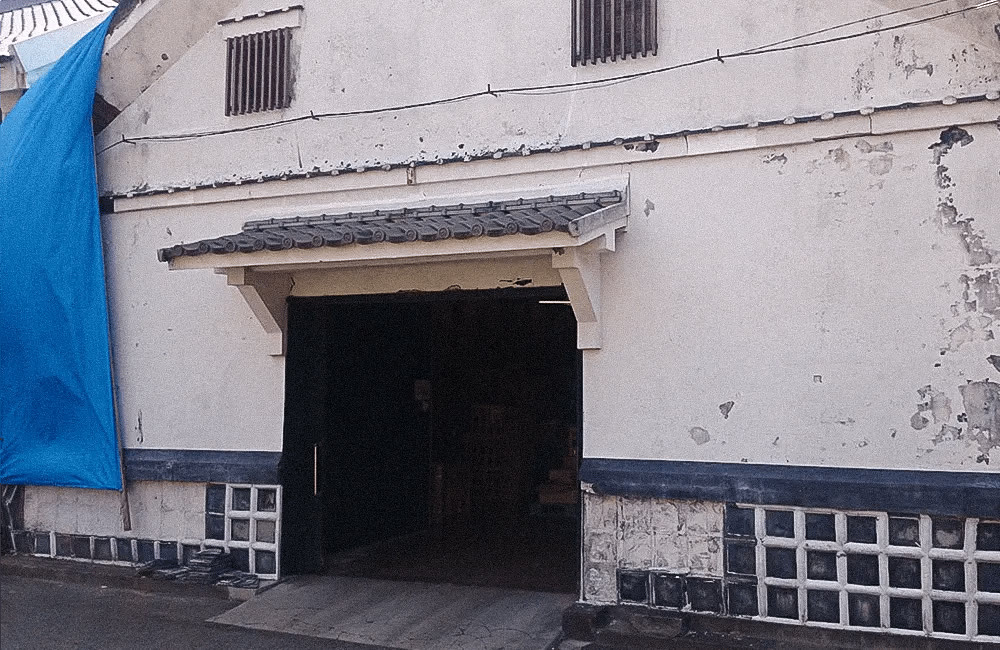
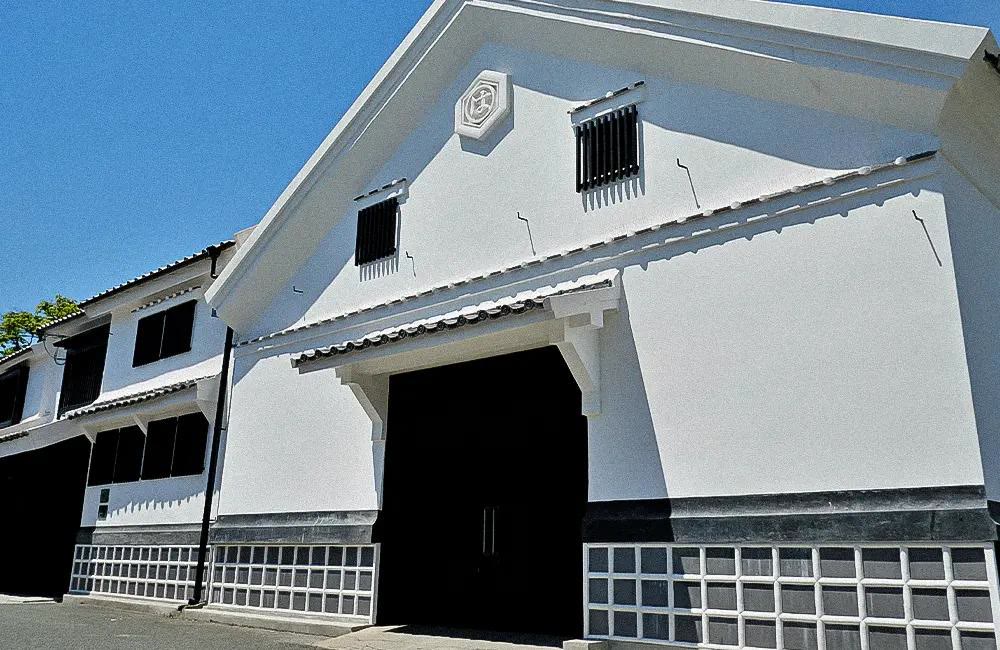
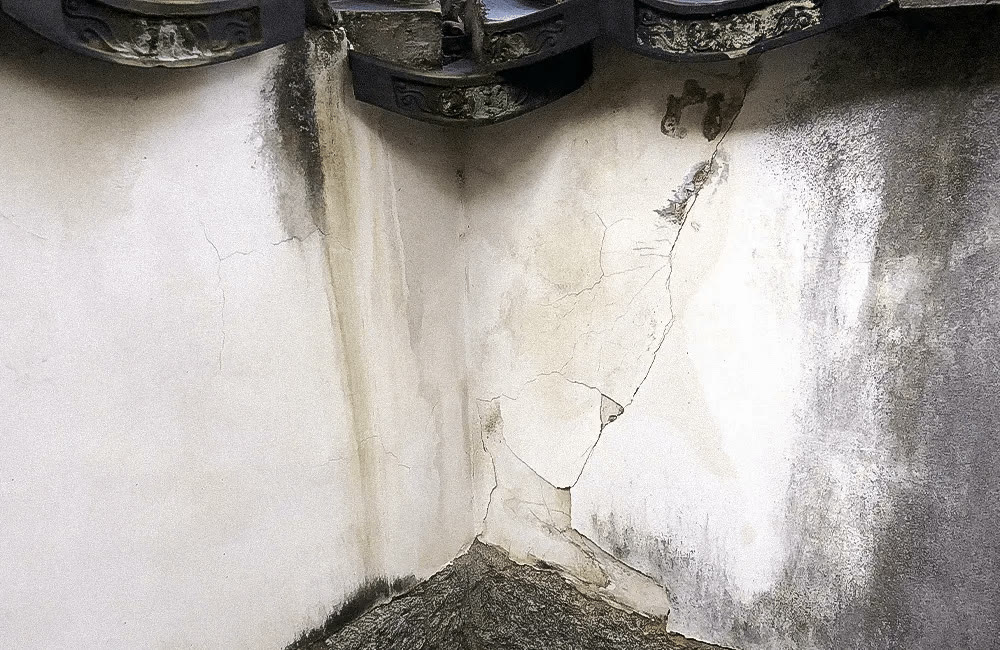
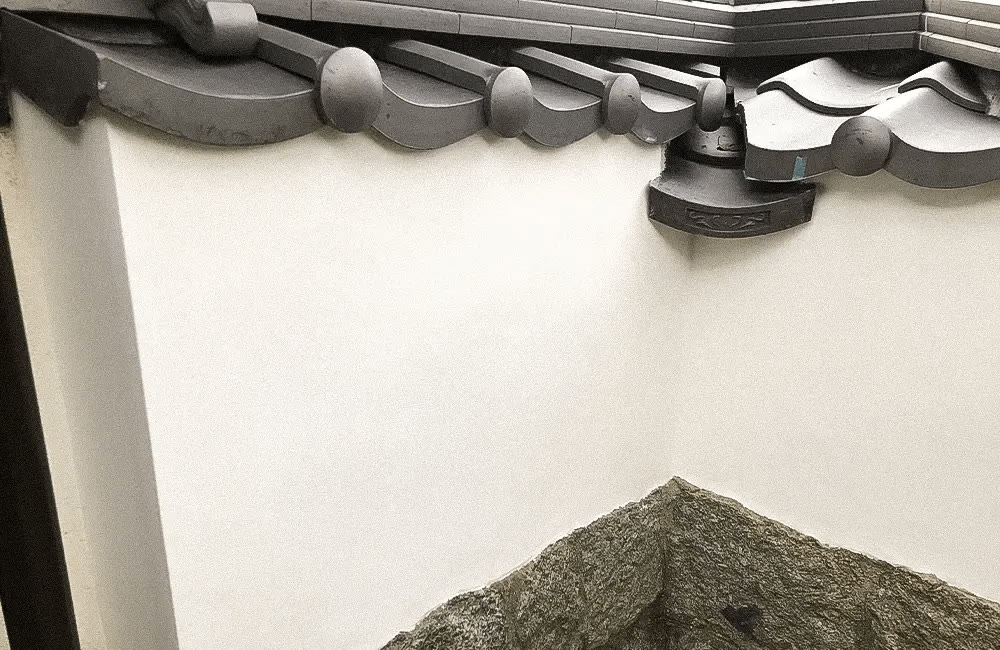
Examples of Restoration and Reconstruction at the Former Raden Theological Seminary
BEFORE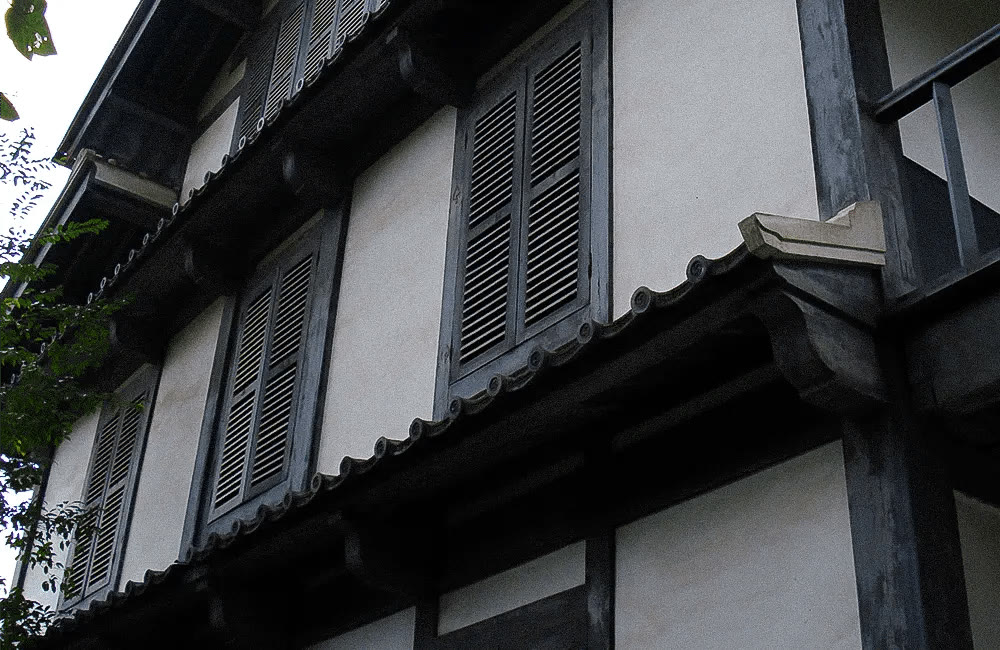
»AFTER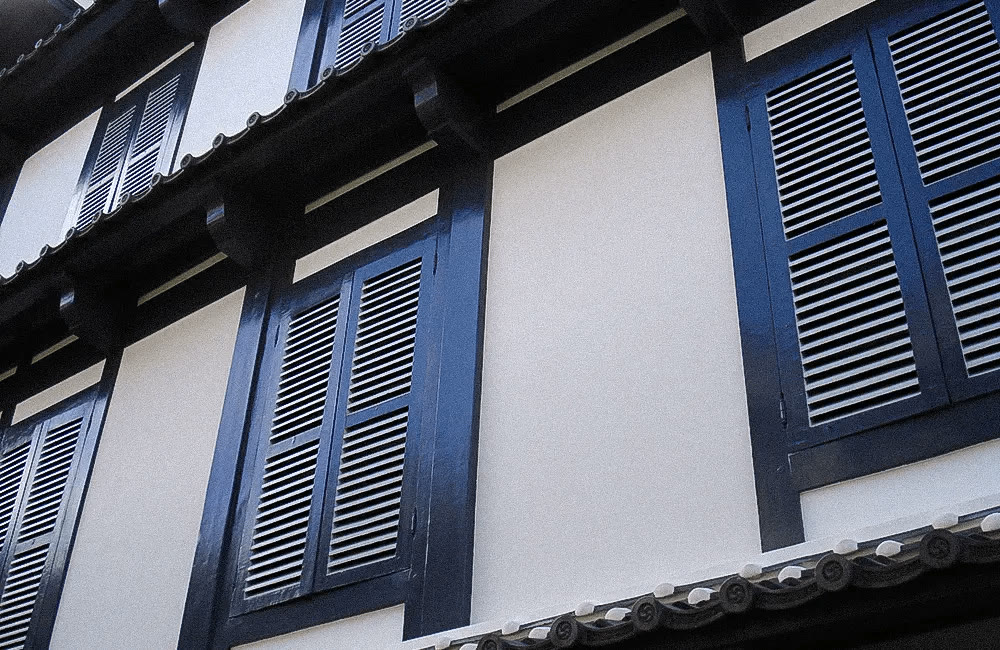
BEFORE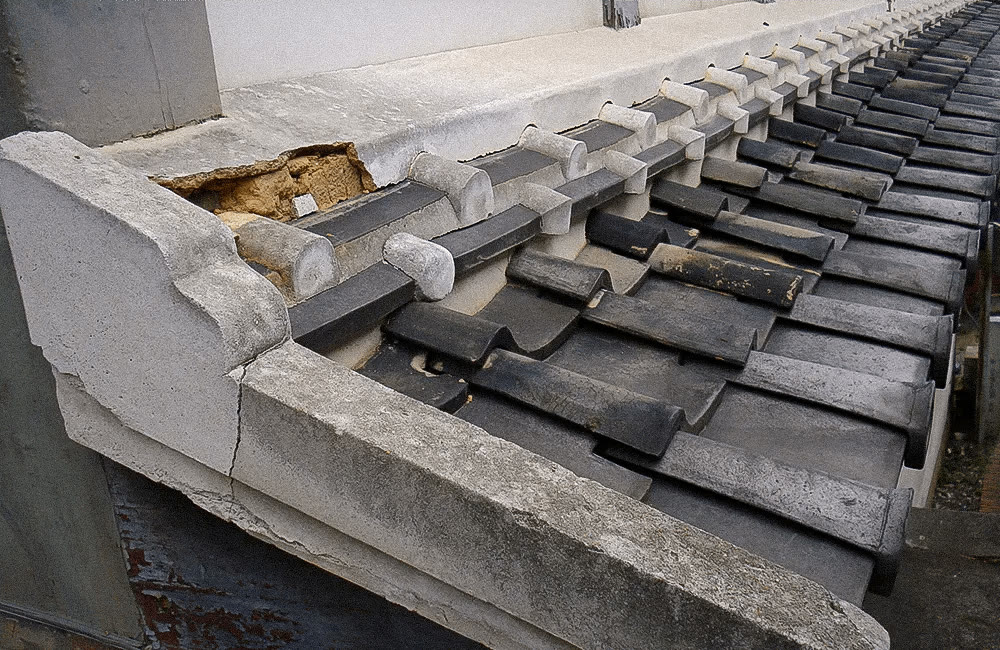
»AFTER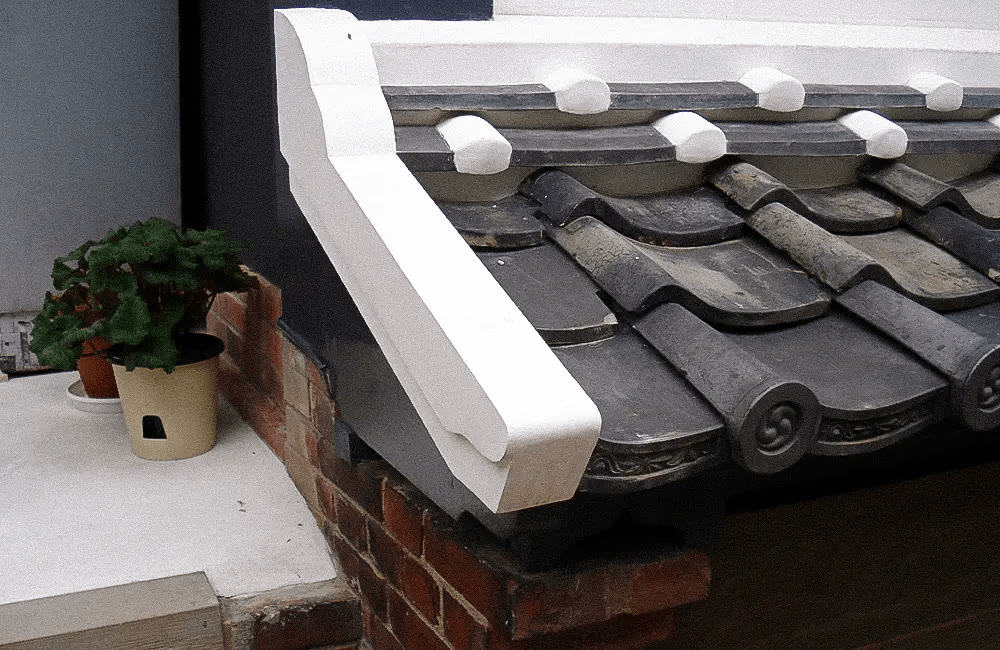
BEFORE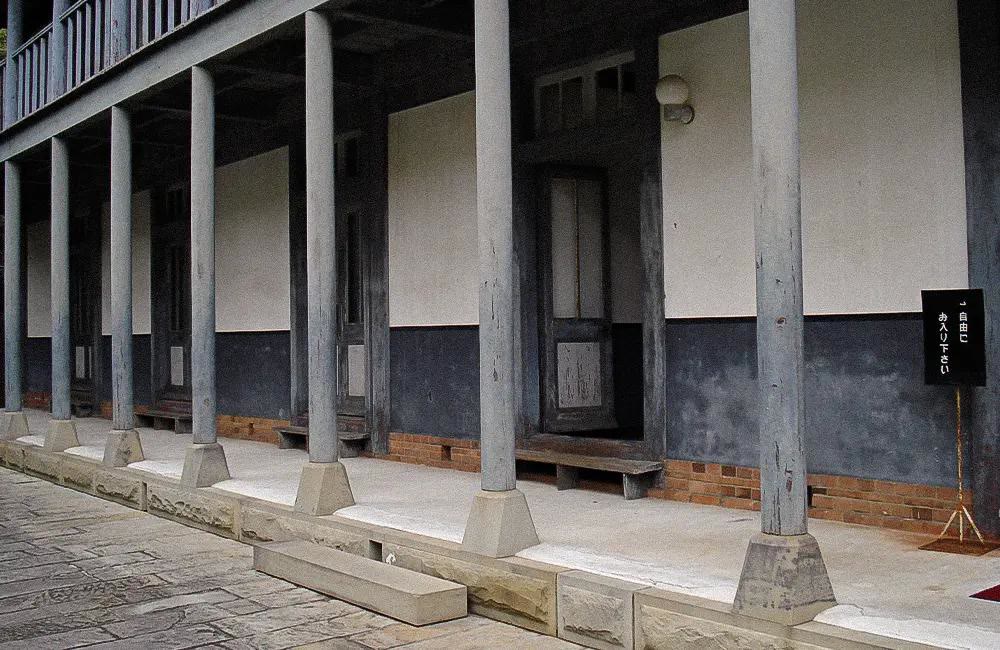
»AFTER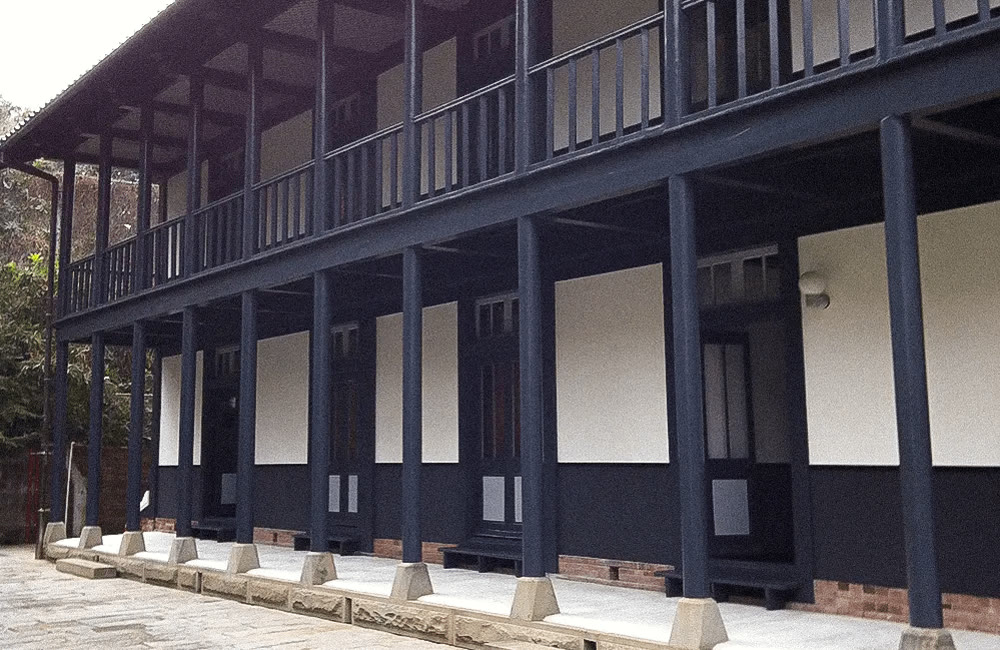
Cultural property restoration is founded on the principle of "reproduction" — thoroughly investigating and analyzing the original materials and methods, then reproducing the materials accordingly.
But a question remains: if a faithfully reproduced material ends up needing restoration again within a few years due to the site's environment or substrate, was that reproduction truly correct? To preserve a structure for future generations, the material we reproduce is sometimes not identical to the original.
That's why we also analyze site-specific conditions — such as high salt content in substrates near the sea — and reproduce materials suited to those conditions. While off-the-shelf products are sometimes used, our standard approach is on-site investigation followed by laboratory analysis of collected samples, before preparing the restoration materials.
We believe this thorough analytical capability is a strength unmatched elsewhere in the industry.
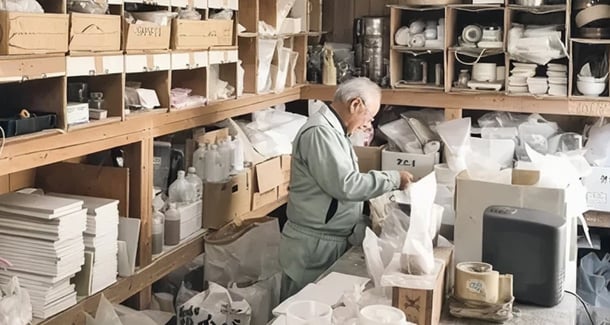
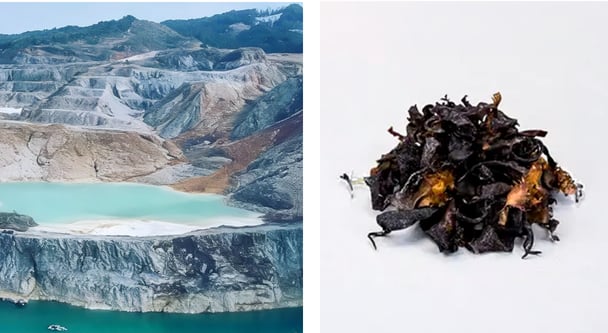
Just as with anything else, "shikkui" varies in quality. Shikkui made using the traditional "shio-yaki" (salt-firing) method in an earthen kiln has a notably higher degree of whiteness than industrial lime and is far less prone to cracking. On top of this, skilled craftsmen hand-inspect every batch of fired lime, using only material that passes inspection as lime for shikkui — reflecting the meticulous care and high quality we take pride in when producing lime for shikkui.
Shikkui also depends on an essential "nori" (adhesive/binding agent), particularly "taki-nori" (cooked binder), which is one of the indispensable materials in cultural property restoration. This binding agent was once cooked directly on-site, but doing so is no longer possible today due to fire-safety regulations and odor concerns. The taki-nori we produce at our factory faithfully reproduces this traditional on-site production method, and both its quality and manufacturing process have been recognized by the Association for Conservation Techniques of Cultural Property Buildings, a public interest incorporated foundation operating under the jurisdiction of Japan's Agency for Cultural Affairs.
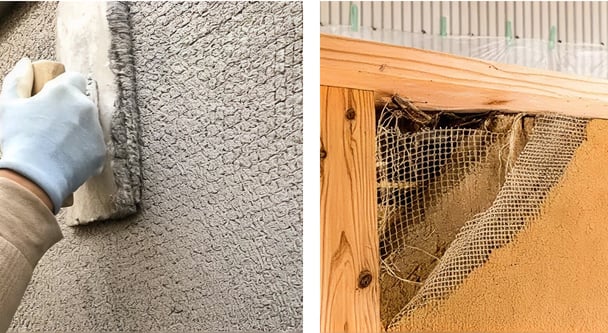
We handle not only shikkui as a finishing material, but also specialized materials used at the substrate (base-coat) stage. We believe that reproducing not just the visible surface, but also the parts that aren't visible, is essential for improving durability and preserving structures for future generations.
In particular, the crack-prevention netting embedded in the substrate is, today, almost always made of synthetic fiber — yet synthetic fiber netting is rarely, if ever, used when restoring cultural properties. Our proprietary "Linen netting" develops just the right amount of tension as it dries and shrinks, making it well-suited to the substrates used in cultural property restoration, and resulting in a wall with greater durability.
We are also able to accommodate colored shikkui materials, such as black shikkui and "nezumi" (gray) shikkui. Our "comprehensive capability" — supporting the entire restoration process as a one-stop service, from analysis to substrate work to finishing — is one of our core strengths.
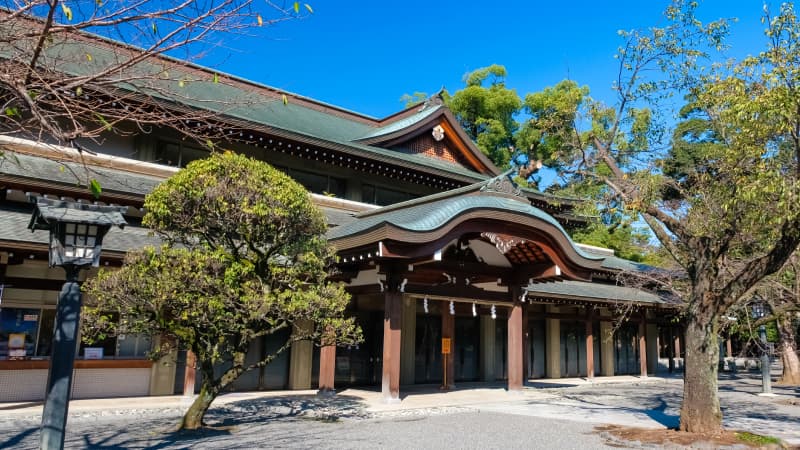
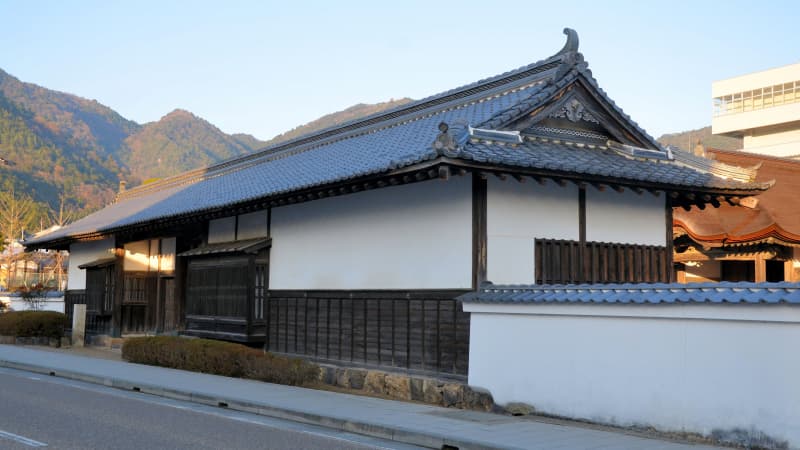
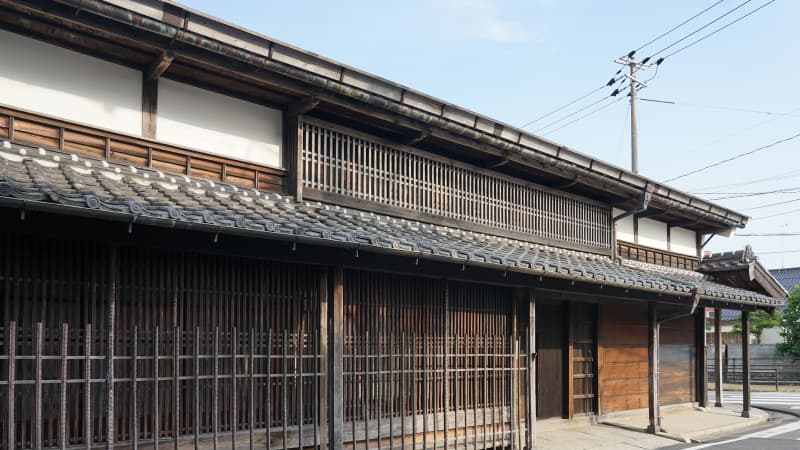
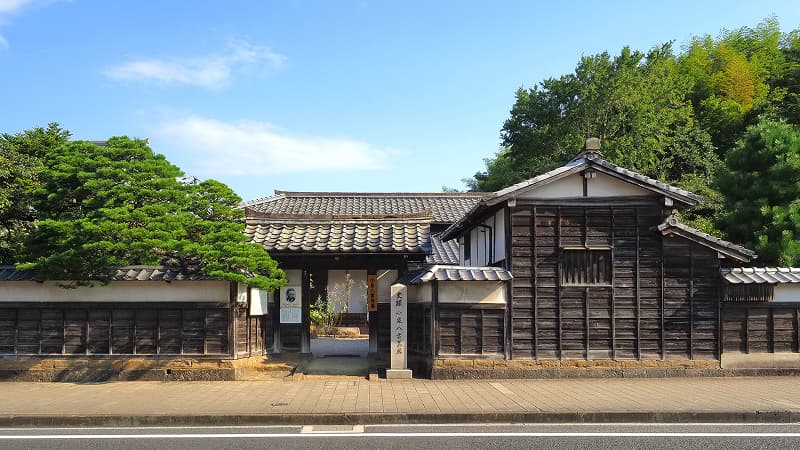
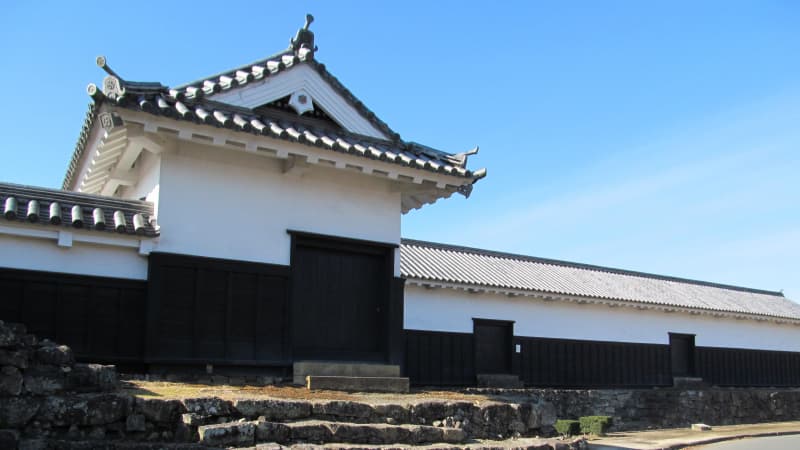
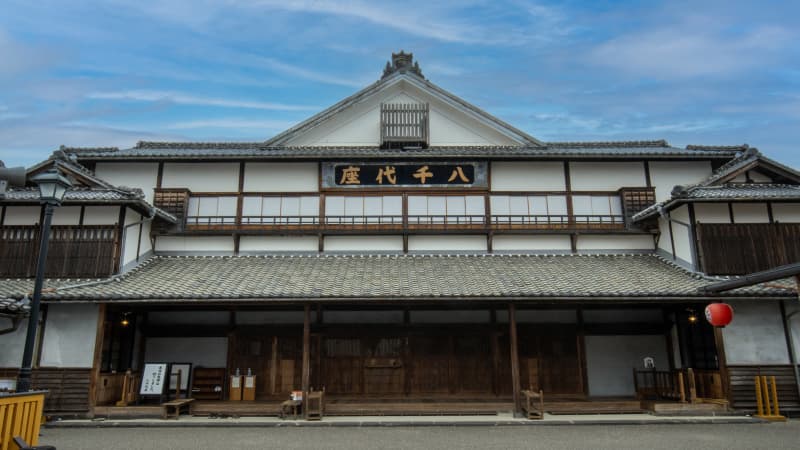
Former Latin Seminary in Nagasaki
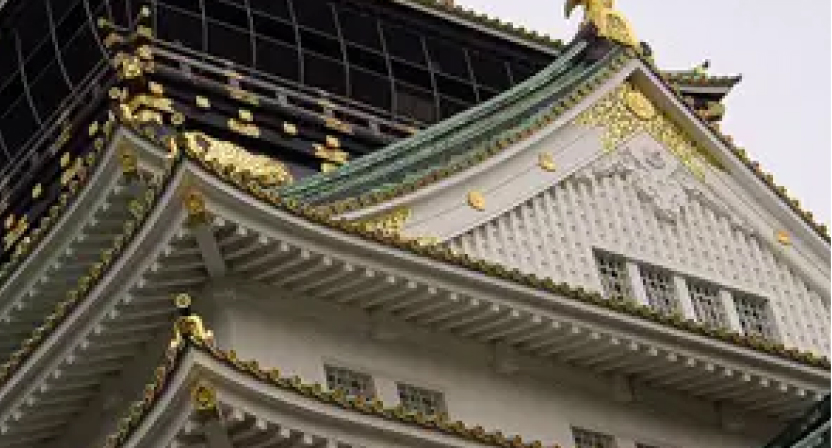
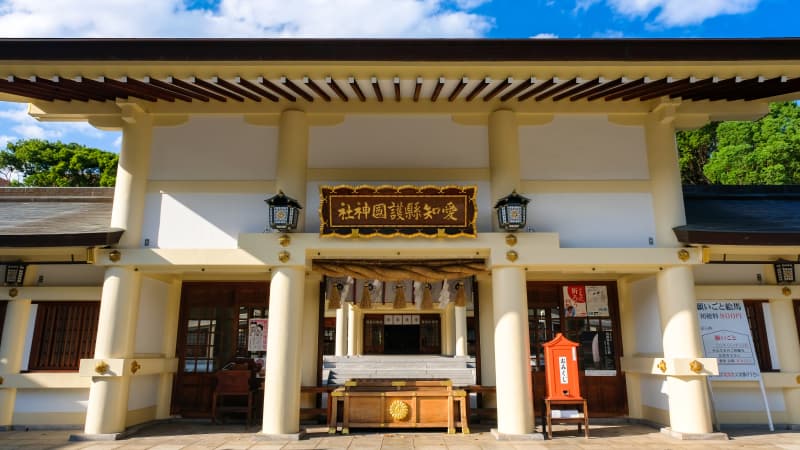
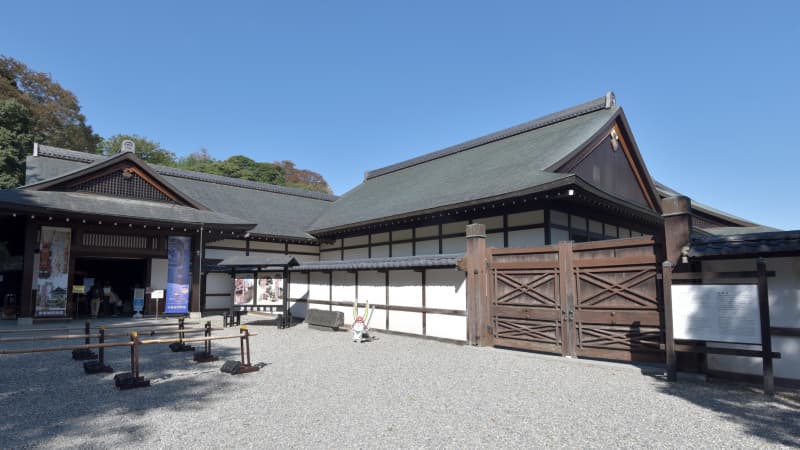
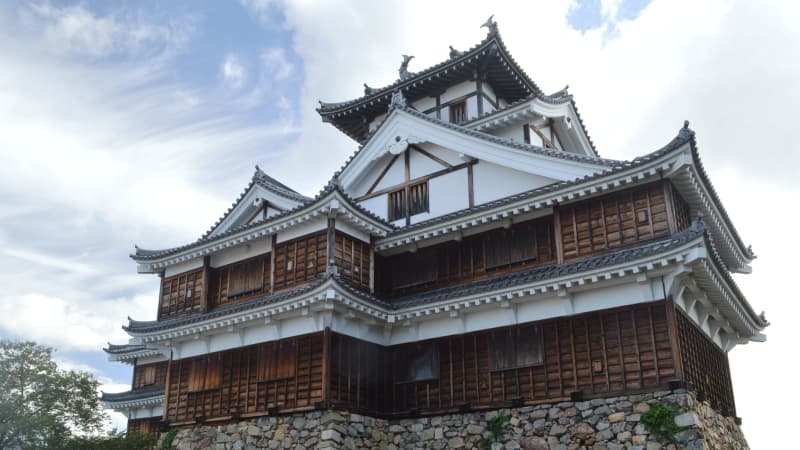
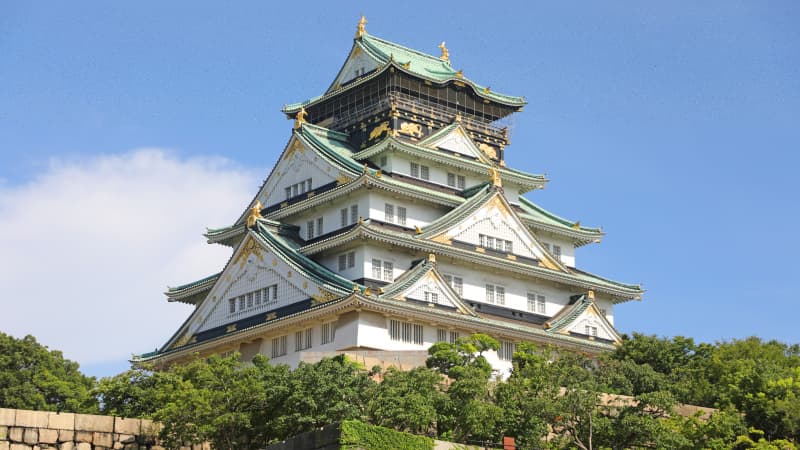
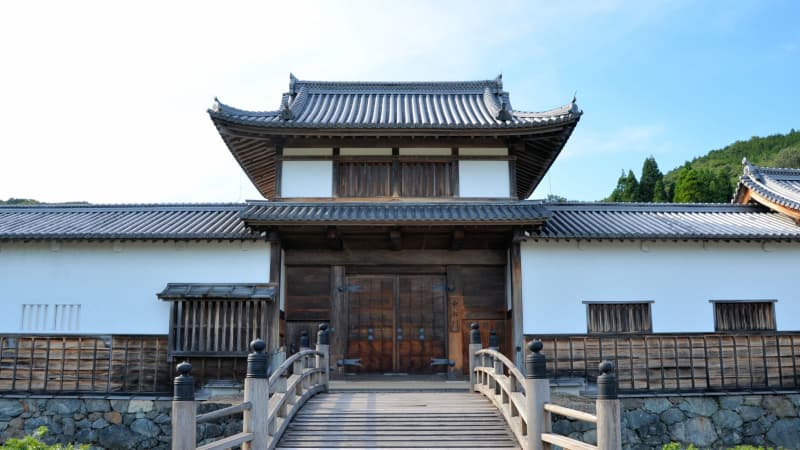
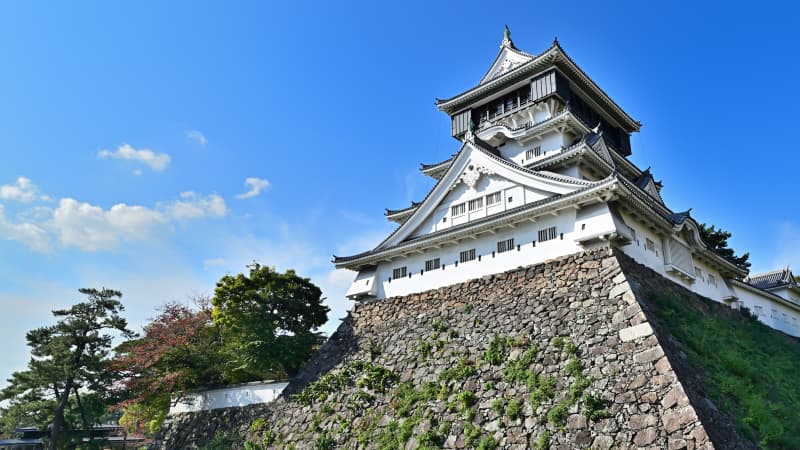
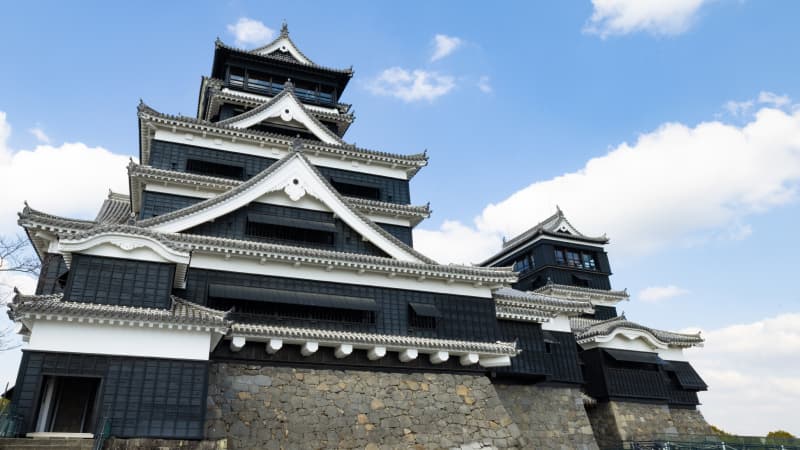
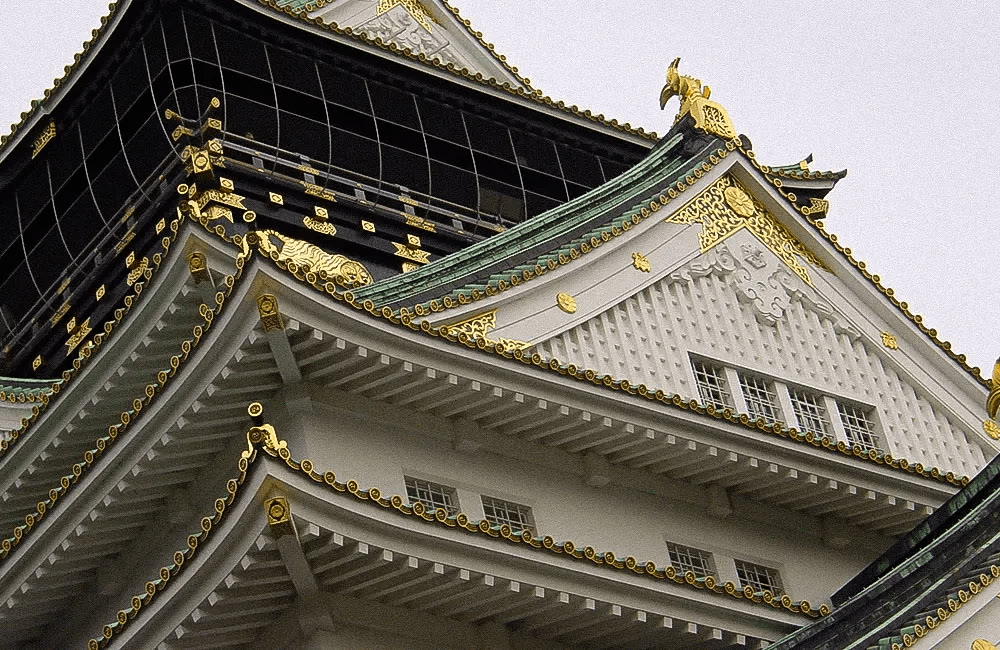
Osaka Castle

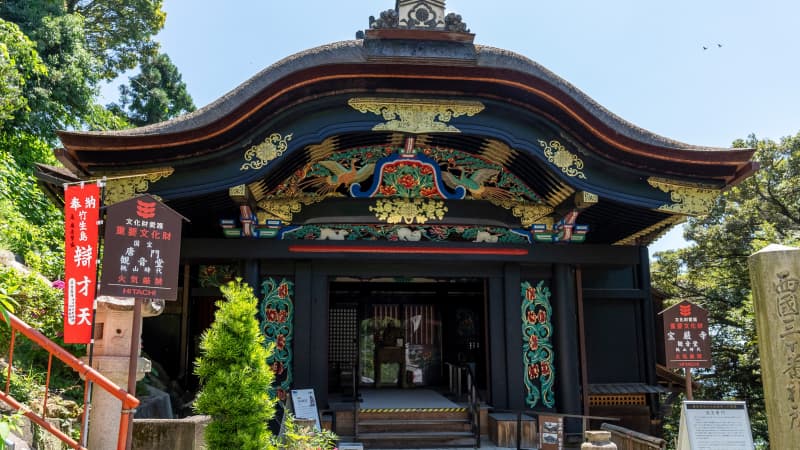
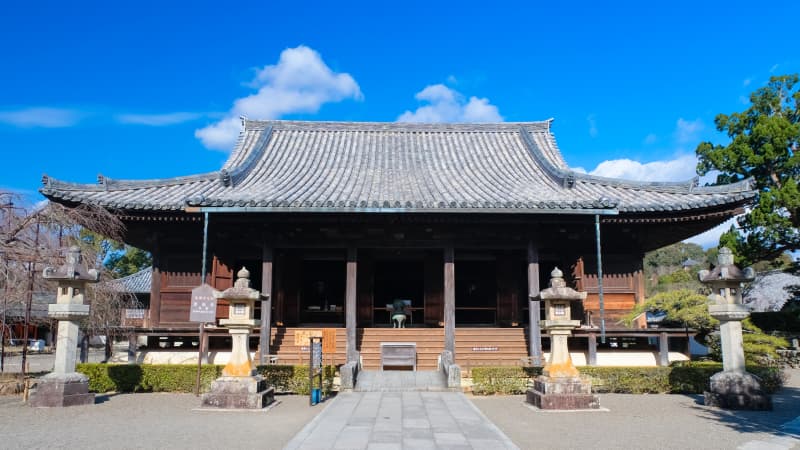
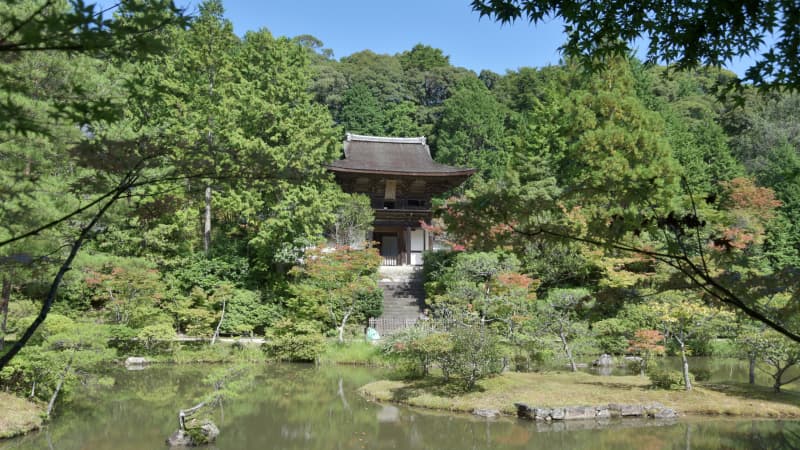
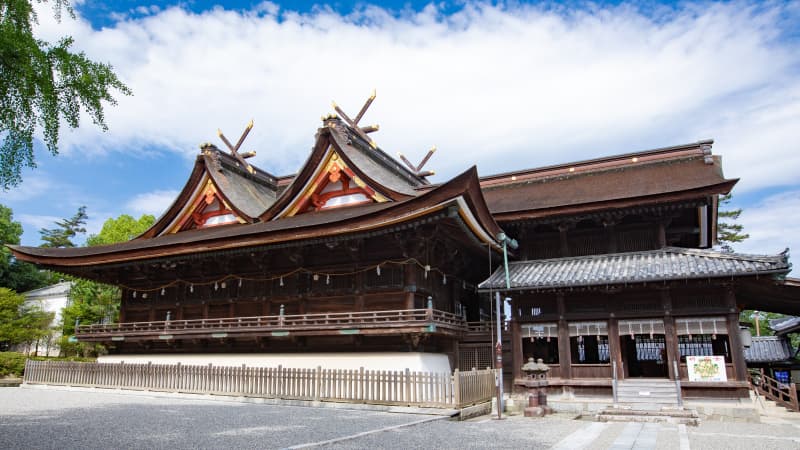
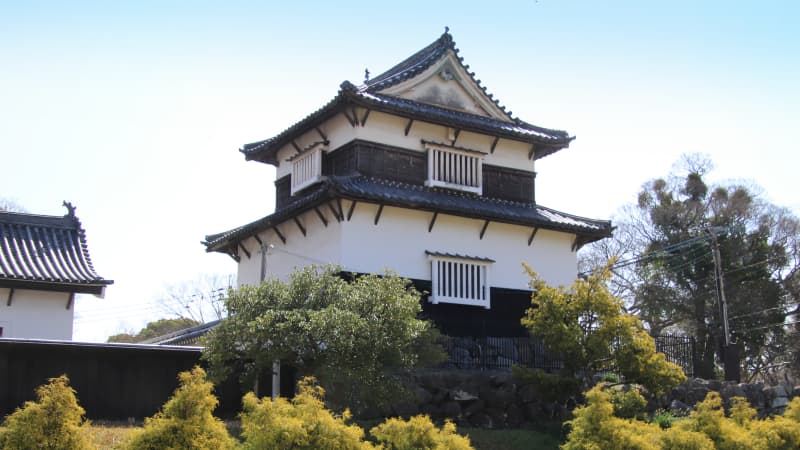
Jōki-ji Temple
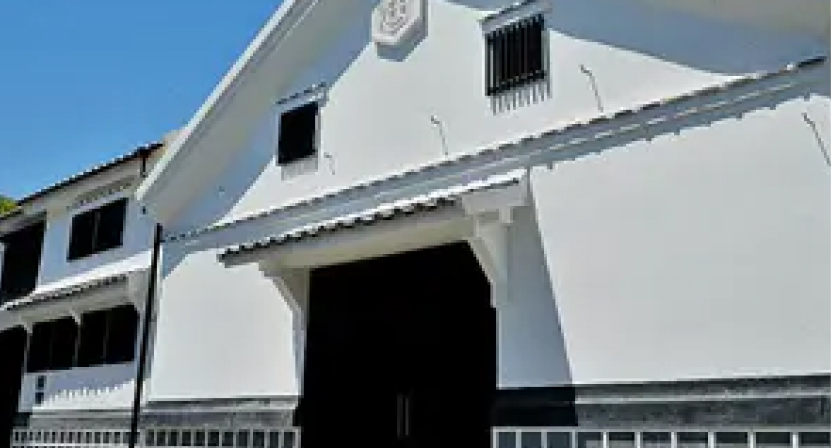
Hamada Soy Sauce
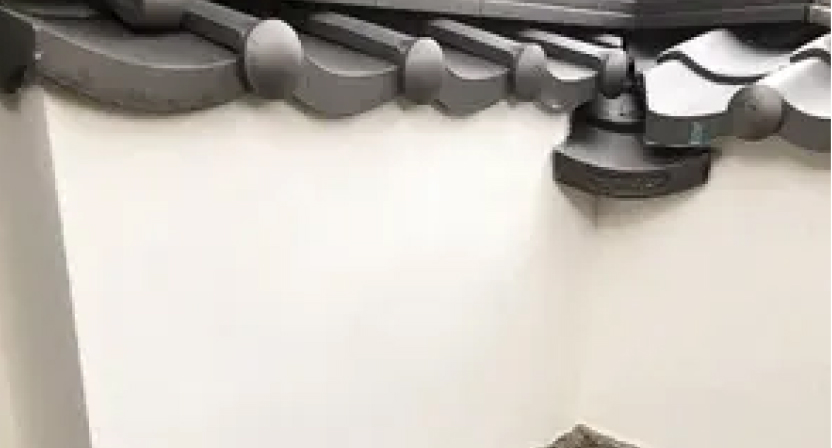
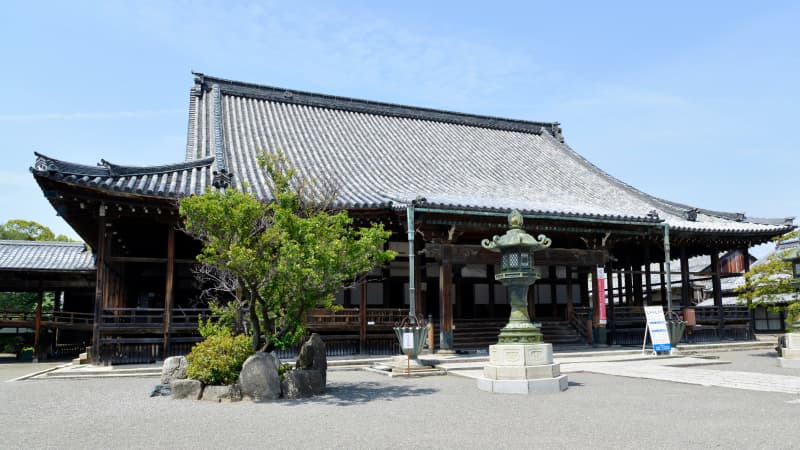
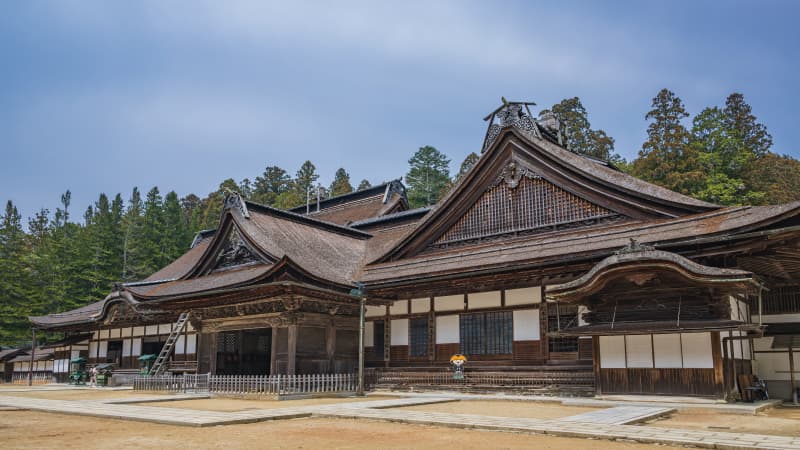
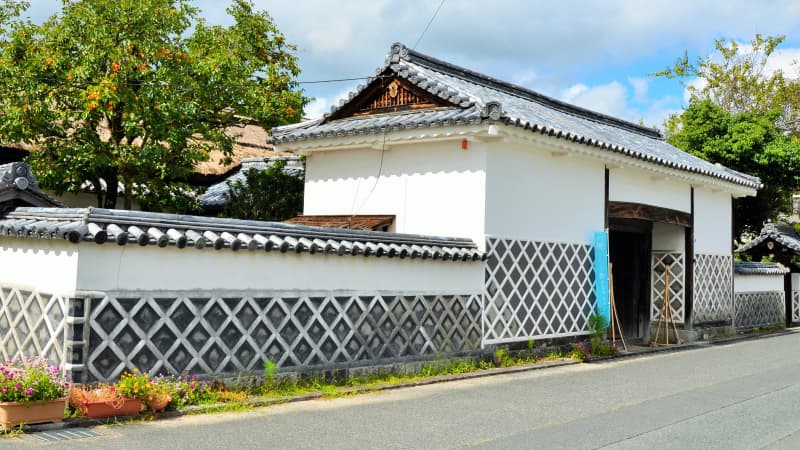
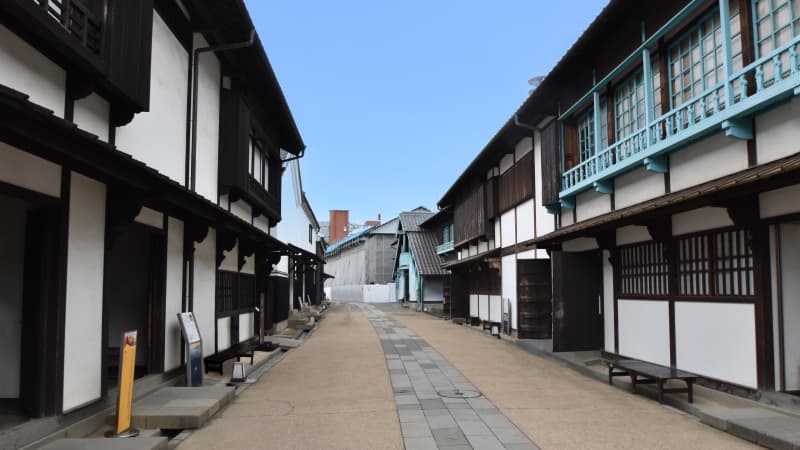
A Traditional House and Moat
New Materials Research Laboratories (Tokyo)
Mr. Tomoyuki Sakakida
Working together on a residence project in New York, I was impressed by the plastering craftsmanship—which is rarely seen even in Japan—that shone through in every detail. I believe this project was made possible by Tagawa Shikkui Labs’ extensive experience and know-how, as well as their deep expertise in plaster, which allowed them to execute such work in one of New York’s most prime locations.
Working in a climate and environment different from Japan’s meant that some aspects—such as application thickness and drying times—that are “common sense” in Japan did not apply. However, I believe that Tagawa Shikkui Labs’ ability to successfully complete the project in New York was due to their depth of knowledge and adaptability (ability to apply that knowledge flexibly).
This ability to handle unforeseen circumstances is a standout strength of Tagawa Shikkui Labs, and I believe it is also the reason they are so heavily involved in the restoration of cultural properties in Japan.
Website: https://shinsoken.jp/en/
Mayor of Maedagawa City (Fukuoka Prefecture)
Mr. Nobukatsu Ito
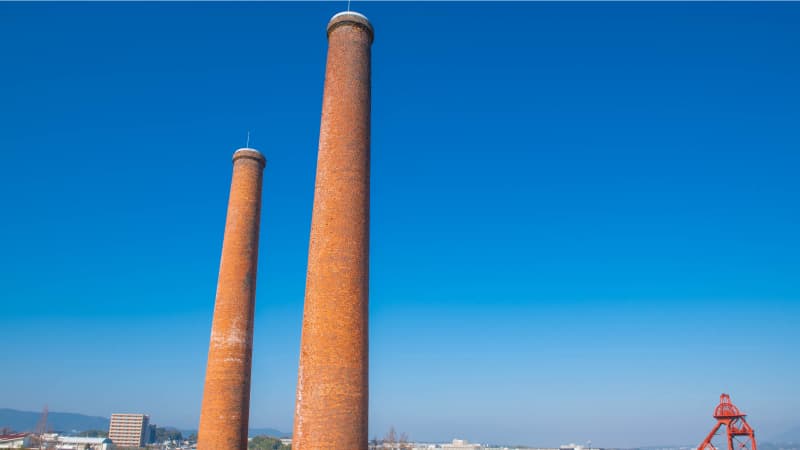
The “Two Chimneys” (45.5 meters high), a symbol of the Chikuho region, are located at the Tagawa Coal Memorial Park (Tagawa City, Fukuoka Prefecture).Designated a Nationally Registered Tangible Cultural Property in Heisei 19 and recognized as a “Heritage of Modernization” by the Ministry of Economy, Trade and Industry, these chimneys had deteriorated to the point where they were in imminent danger of collapse. Consequently, the city, with the cooperation of the Faculty of Engineering at Kyushu University beginning in Showa 54, carried out large-scale restoration and reinforcement work through Heisei 24.
For this restoration, Tagawa Shikkui Labs was commissioned to restore the chimney’s jointing material. The company collected samples from the site, conducted research and analysis, and produced the restoration material based on the results of the analysis of the lime and cement mortar mixture.Seeing the finished, fully restored chimney, I was once again struck by the dedication and effort that Tagawa Shikkui Labs pours into its craftsmanship.
I would like to express my respect for their ongoing commitment to research and development in the practical application of lime, and I sincerely wish them continued success and growth.
Nittoh Construction Co., Ltd., Manager, Construction Division 2 (Nagasaki Prefecture)
Mr. Masaki Kameishi
We have worked together with Tagawa Shikkui Labs on the restoration of important cultural property buildings, such as the former Glover House, as well as the restoration of structures within Dejima, a nationally designated historic site. With the expertise they have cultivated through numerous successful projects, we have complete confidence in entrusting this work to them.
The reasons for this include their ability to provide a one-stop solution—from on-site verification, surveys, and analysis through to production—while using locally sourced Tagawa limestone and preserving traditional kiln firing methods. Furthermore, while adhering to traditional materials and formulations, they not only produce products with enhanced quality but also they maintain a commitment to authentic restoration—using materials such as “shell ash” and “cooked starch paste” designated by the “Association for Cultural Heritage Conservation Technology”—and have established a system capable of adjusting formulations to meet the specific requirements of design supervisors.
Furthermore, we believe that our commitment to communicating with the plasterers who actually perform the work—providing them with technical feedback to drive continuous quality improvement—has contributed to our extensive track record and the trust we have earned.
Website: https://www.nittoh-co.jp/
Uchino Industries, Ltd. Representative Director
Mr. Shigeichi Uchino
About 20 years ago, when we were undertaking renovation work on the Father de Ro Memorial Hall—a nationally designated Important Cultural Property—we consulted Tagawa Shikkui Labs regarding the use of shell ash shikkui for the project. Thanks to their sincere and dedicated support, we received high praise from both the local government and the Japan Association for the Preservation of Cultural Properties.
Since then, we have been involved in the renovation and restoration of numerous Important Cultural Properties and World Heritage-listed churches—primarily in Nagasaki Prefecture, such as Nagasaki Dejima, Kuroshima Church, and Glover Garden—and all the plaster we have used has been Tagawa Shikkui Labs' shell ash shikkui.
Furthermore, as a plasterer, I have sometimes presented Tagawa Industries with many demanding challenges regarding the workability of their shell ash shikkui. However, they have always listened to my feedback and, guided by the overarching principle of cultural property restoration, have continuously improved its workability. Thanks to this, we now have a shikkui that is exceptionally easy to work with.
I consider it my mission to continue collaborating with Tagawa Shikkui Labs to protect the cultural heritage left by our predecessors and pass it on to future generations.
Harada Saken Co., Ltd. Representative Director
Mr. Susumu Harada
In the past, we used to apply mosquito netting to the base wall to prevent cracks above and below the transom, but since most modern mosquito netting is made of synthetic fibers, it lacked the durability required to prevent wall cracks and was therefore unsuitable.
Consequently, we consulted with Tagawa Shikkui Labs regarding the development of a pure hemp mesh (Hemp Net). After many years of collaboration with Tagawa Shikkui Labs—including selecting the right raw hemp materials, exploring weaving techniques, conducting strength and durability tests, and establishing application methods—Japan’s only “Hemp Net” was born.
A key feature of this genuine hemp netting is that, after application, it shrinks slightly as it dries and gains tension, allowing it to conform with just the right amount of strength to help reduce cracking in earthen walls and similar surfaces. It is available in two different weave widths, which can be selected based on the application, making it highly versatile.
I am confident that this genuine hemp mesh from Tagawa Shikkui Labs will become a masterpiece capable of contributing to the restoration of cultural properties nationwide, and I am grateful for their responsiveness in thoroughly meeting our requests.
Website: https://www.haradasaken.jp/
Hamada Shoyu Co., Ltd., Head of Brewing (Kumamoto Prefecture)
Hamada Shoyu’s brewery and white shikkui walls have been designated as National Registered Tangible Cultural Properties. The 2016 Kumamoto Earthquake dealt a severe blow to the facility, causing the white shikkui walls to collapse. While restoring the shikkui walls was essential for the company’s recovery, various issues arose, and construction continued to face delays.
Amid these challenges, we were introduced to Tagawa Shikkui Labs through Kengo Kuma & Associates, the firm overseeing the renovation of the Hamada brewery. I imagine identifying the causes of the problems required an immense amount of investigation and analysis, but thanks to their efforts, the beautiful white shikkui walls have been completed, and new life has been breathed into the Hamada Soy Sauce Warehouse.
We are truly delighted to now be able to welcome guests from both Japan and abroad. We offer our heartfelt gratitude.
Website: https://hamada1818.com/en/