• HOME      >      
  • Product Overview      >      
  • Plaster Materials      >      
  • Castle Wall: Atsumori

Shikkui for Intermediate Coat (Powder)

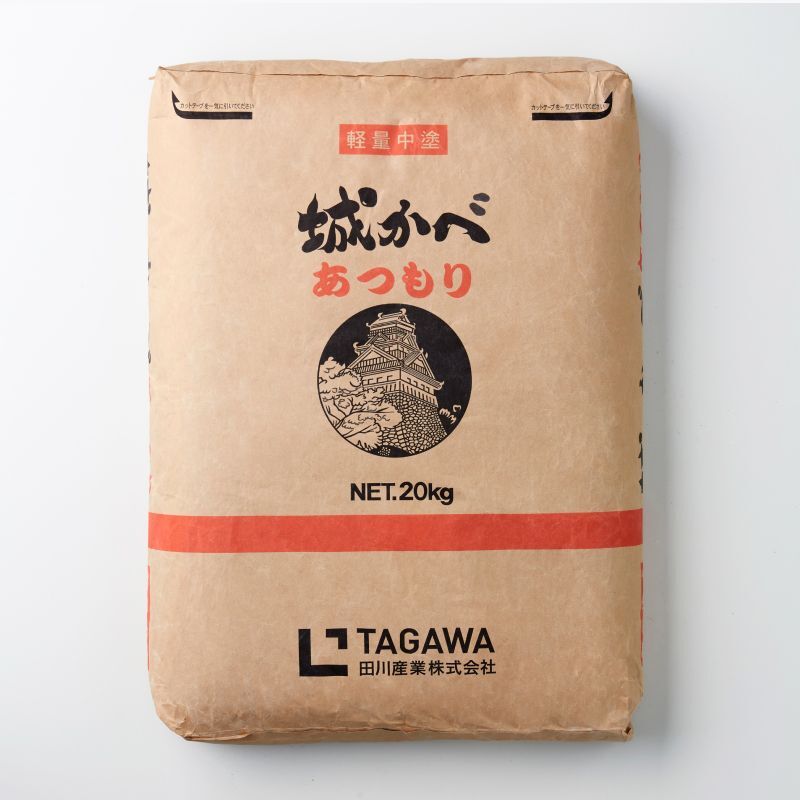
Shirokabe Atsumori

  • sk0009

Product Specifications

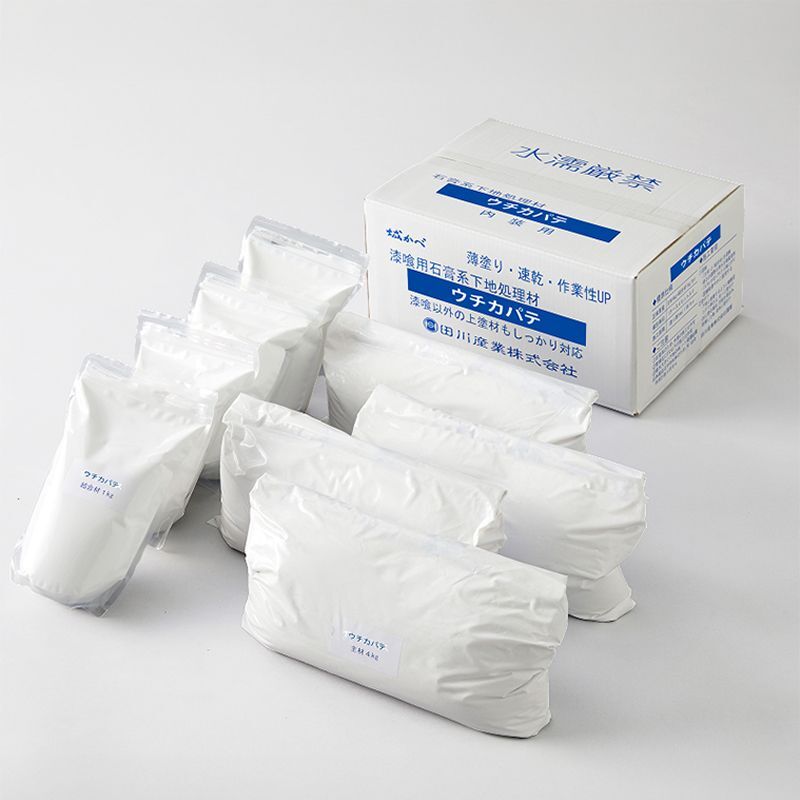
A lightweight intermediate coat for thick application. Lightweight and quick-drying, it allows you to build up thickness in a single application, making it ideal for repairing earthen walls, leveling uneven surfaces, and preparing substrates for wooden lath.

Main Component

Salt-burned slaked lime from Tagawa, Portland cement, silica

Packaging

20 kg of powder / Kraft moisture-proof bag

Recommended Uses

Intermediate Coat, Leveling, and Preparation for Paper Lining

Application Methods and Standards

Plaster Finish

Technical Data

Standard Coverage

2 square meters

Standard Coating Thickness

10 mm

Net Mass / Suggested Water Addition

20 kg

Suitable Substrates

Drywall

Vinyl Wallpaper

Mortar and Concrete

Plaster Walls

Earthen Wall

Sand-Coated Walls and Fiber-Reinforced Walls

Installation Precautions

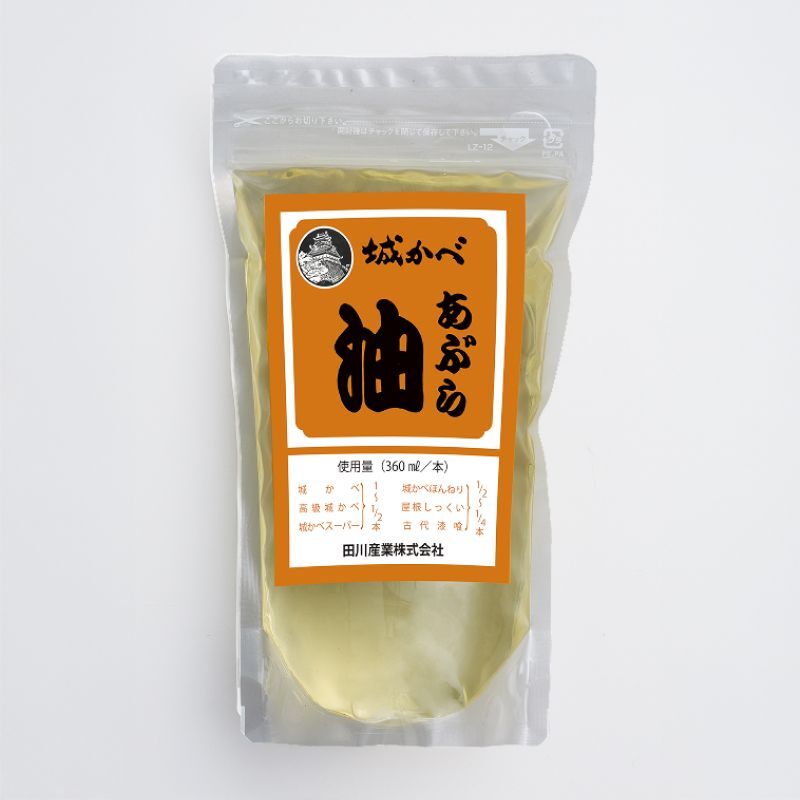
・Be sure to add “Castle Wall Oil” when applying the mixture to exterior walls or areas exposed to water.

・If the mixture is to be left to cure for more than one week, add a binding agent (powdered ginkgo grass) to maintain applicability.

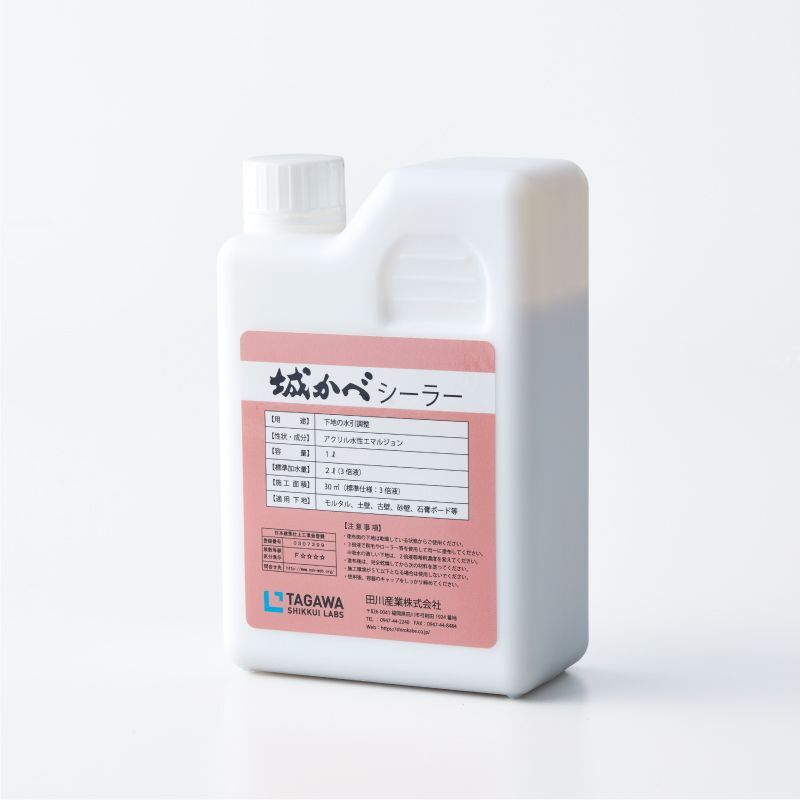
・Always apply “Shirokabe Sealer” to substrates that are buried in soil or highly absorbent.

・Using a wooden trowel to smooth the surface will result in a texture that is too coarse and reduce strength, so be sure to press down with a metal trowel and roughen the surface.

・If oil is added to the intermediate coat, the topcoat will not adhere well once it dries; therefore, be sure to apply the topcoat immediately afterward.

banner_base

Frequently Asked Questions

Q.

What is the main difference between “Shirokabe Nakanuri” and “Shirokabe Atsumori”?

A.

They are broadly categorized by application, such as interior, exterior, and roof intermediate coats. In addition, the formulation can be fine-tuned based on finishing methods and desired textures to meet a wide range of needs. In short, the difference lies between a “lightweight material specialized for thick application and repairs” and a “high-strength, traditional sand plaster.”

Shirōkabe Atsumori: [Prioritizes Lightweight & Speed]

This intermediate coat material has a low specific gravity and allows for building substantial thickness in a single application. Because it dries quickly, it is convenient for shortening construction schedules and repairing damaged areas, and can help reduce the load on the building structure.

Shirōkabe Nakanuri: [Focus on Strength & Tradition]

This is an authentic sand plaster made by thoroughly blending sand and hemp shives (such as Manila shives or Nanjing shives) with slaked lime, resulting in a material with solid strength.
Q.

In what kind of situation should I choose one over the other?

A.

Choose the appropriate method based on the condition of the substrate and your intended purpose.

When to Choose “Atumori”

When you want to build up substantial thickness, such as on a wood-scraped (kizuri) substrate

When you want to speed up drying to move smoothly to the next step

When to Choose “Shirokabe Nakanuri”

When you want to apply an authentic intermediate coat to walls in traditional Japanese architecture or cultural properties

When you want a substantial coating thickness along with durability and strength (to prevent cracking caused by susa)

For repairs to roof fascia boards, etc. (*When used with added oil)

Q.

Is "Atsumori" the only one that can apply thick layers?

A.

While applying multiple coats of “Shirokabe Nakanuri” can increase its thickness,it may sag due to its weight or take a long time to dry. On the other hand,“Atsumori” is designed using lightweight aggregates as a base, so even when the substrate is formed thickly with a single trowel application, it is less likely to sag,and because it dries quickly, construction efficiency is significantly improved.