
• HOME      >      
  • Product Overview      >      
  • Gravel and Stone      >      
  • Famous Stones / Oya Stone

Japanese Specialty Stones

Oya stone

  • ishi0037
  • ishi0037_2
  • ishi0037_3
  • ishi0037_4
  • ishi0037_5
  • ishi0037_6

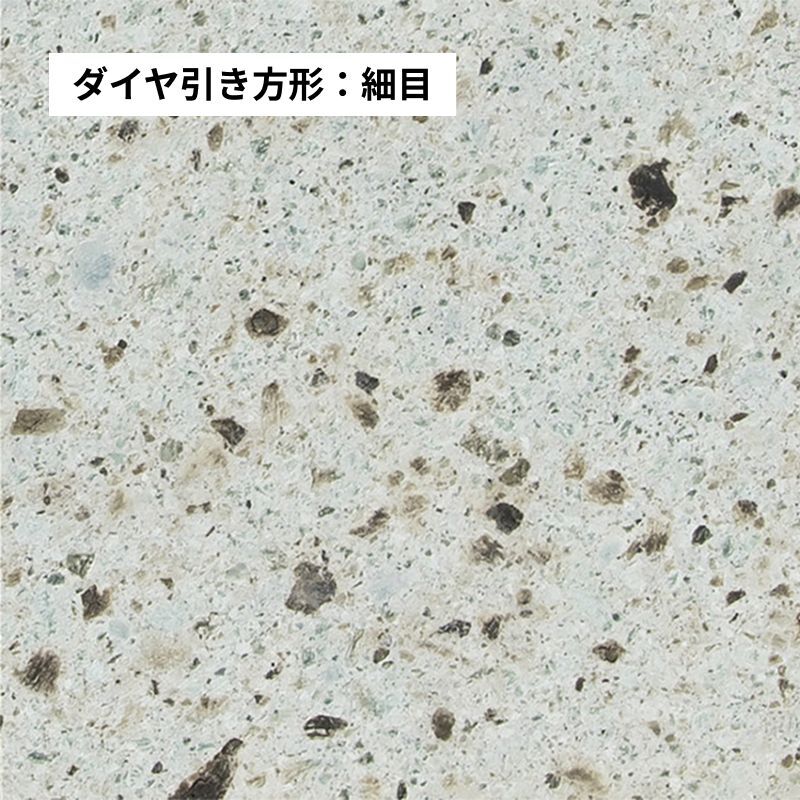
Standard Specifications (Diamond-Cut Square)

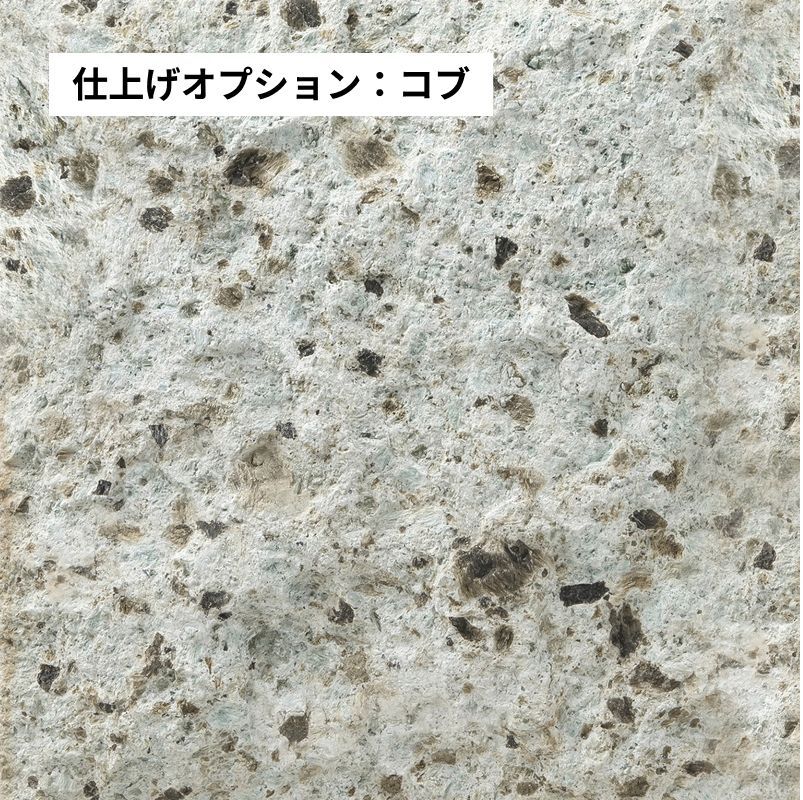
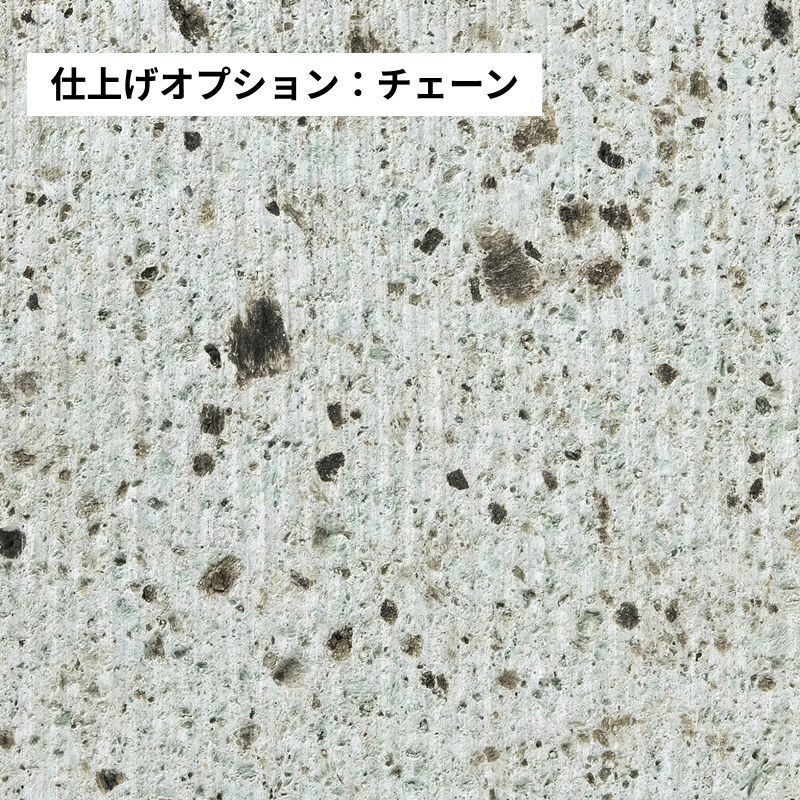
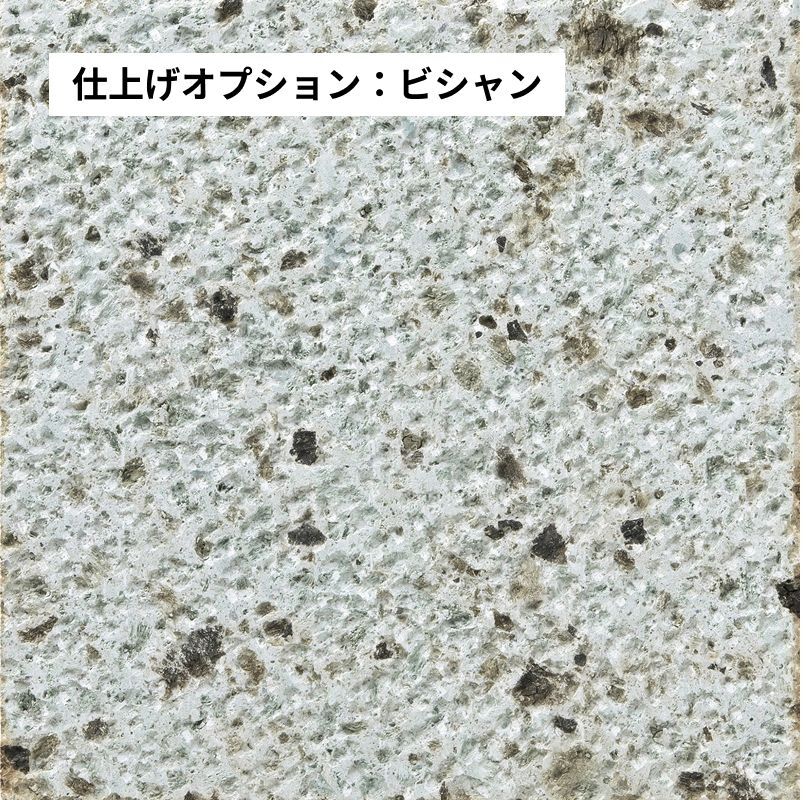
Finishing Options

Product Specifications

Size

300 × 300 × 15

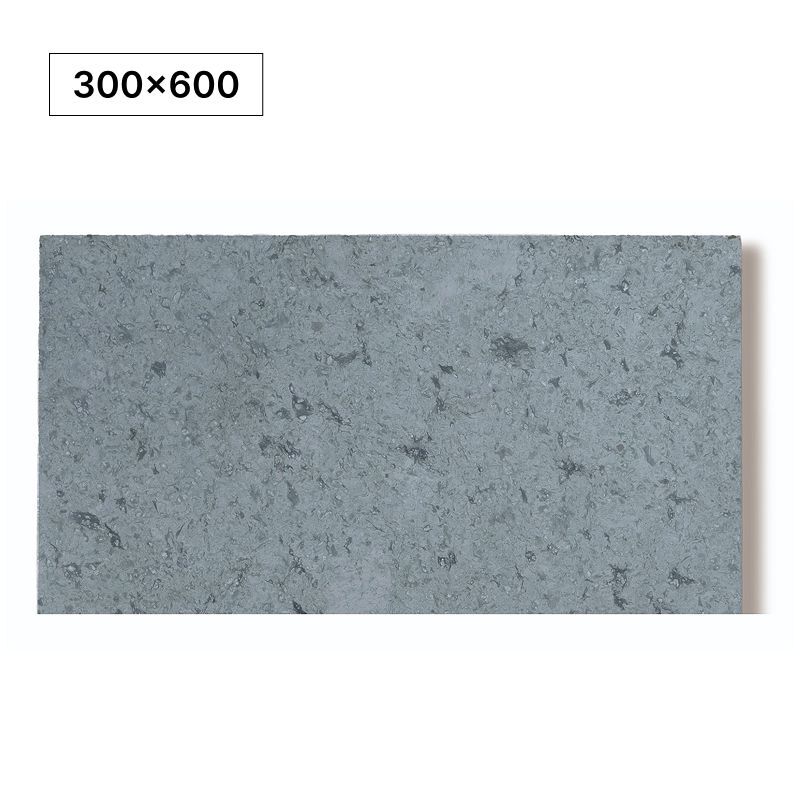
300 × 600 × 15

300 × 300 × 20

300 × 600 × 20

Square
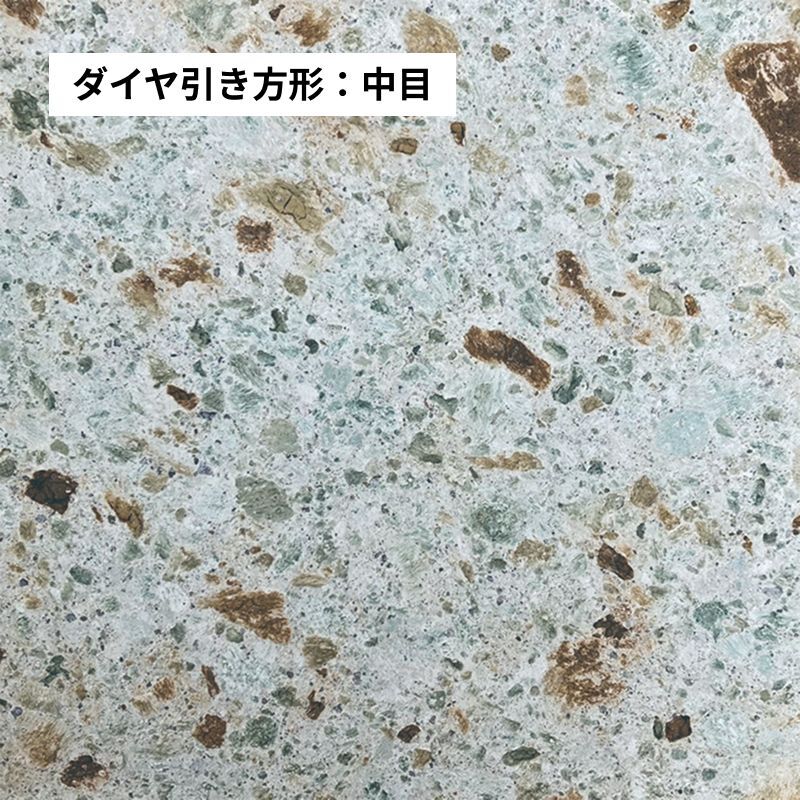
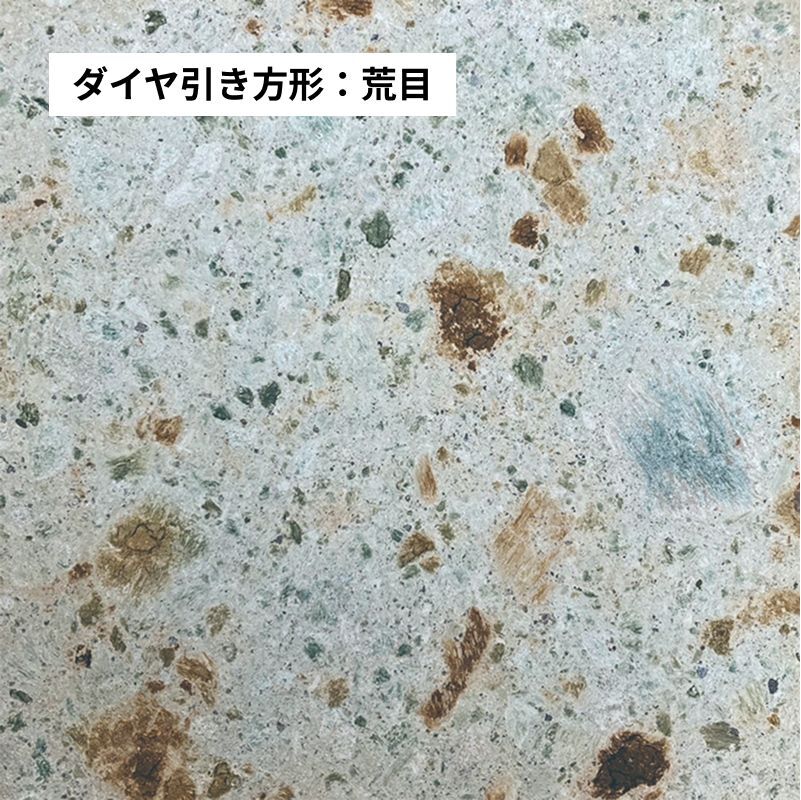
Fine / Medium / Coarse
Finishing Options

Rock-Faced / Chain-Sawn / Bush-Hammered

Frequently Asked Questions

Q.

What does “Japanese Specialty Stones” refer to?

A.

“Japanese Specialty Stones” refers to our curated selection of distinctive natural stones quarried in various regions of Japan. It is not a single type of stone; each variety has its own geological composition, color, texture, and performance characteristics.

Many of these stones have been used in Japanese architecture, gardens, and craftsmanship for generations. Natural variations in color, pattern, and texture are part of their unique character. Please refer to each product page for recommended applications and technical specifications.
Q.

What kind of stone is Oya stone?

A.

Otani Stone is a tuff quarried in the area around Utsunomiya City, Tochigi Prefecture. Characterized by its soft texture and distinctive surface, it has long been used for fences, storehouses, and building exteriors.


Q.

Where can Oya stone be used?

A.

It is used for driveways, gateposts, flower beds, gardens, landscape accents, and storefront design. With its distinctive presence, it is ideal for creating a luxurious landscape.

Q.

What are the brown patterns found on Oya stone?

A.

The brown spots and streaks are mineral components known as “miso.” They are a distinctive feature of Ōya Stone and are cherished as a unique characteristic of this natural material.

Q.

Can Oya stone be used outdoors?

A.

Yes. It can be used outdoors. However, since it is made of natural stone, its appearance may change over time due to prolonged exposure to wind and rain.

Q.

Does the color change when it gets wet from the rain?

A.

Yes. When it gets wet, the color becomes more intense, and the stone's texture and patterns become more vivid.

Related Products