
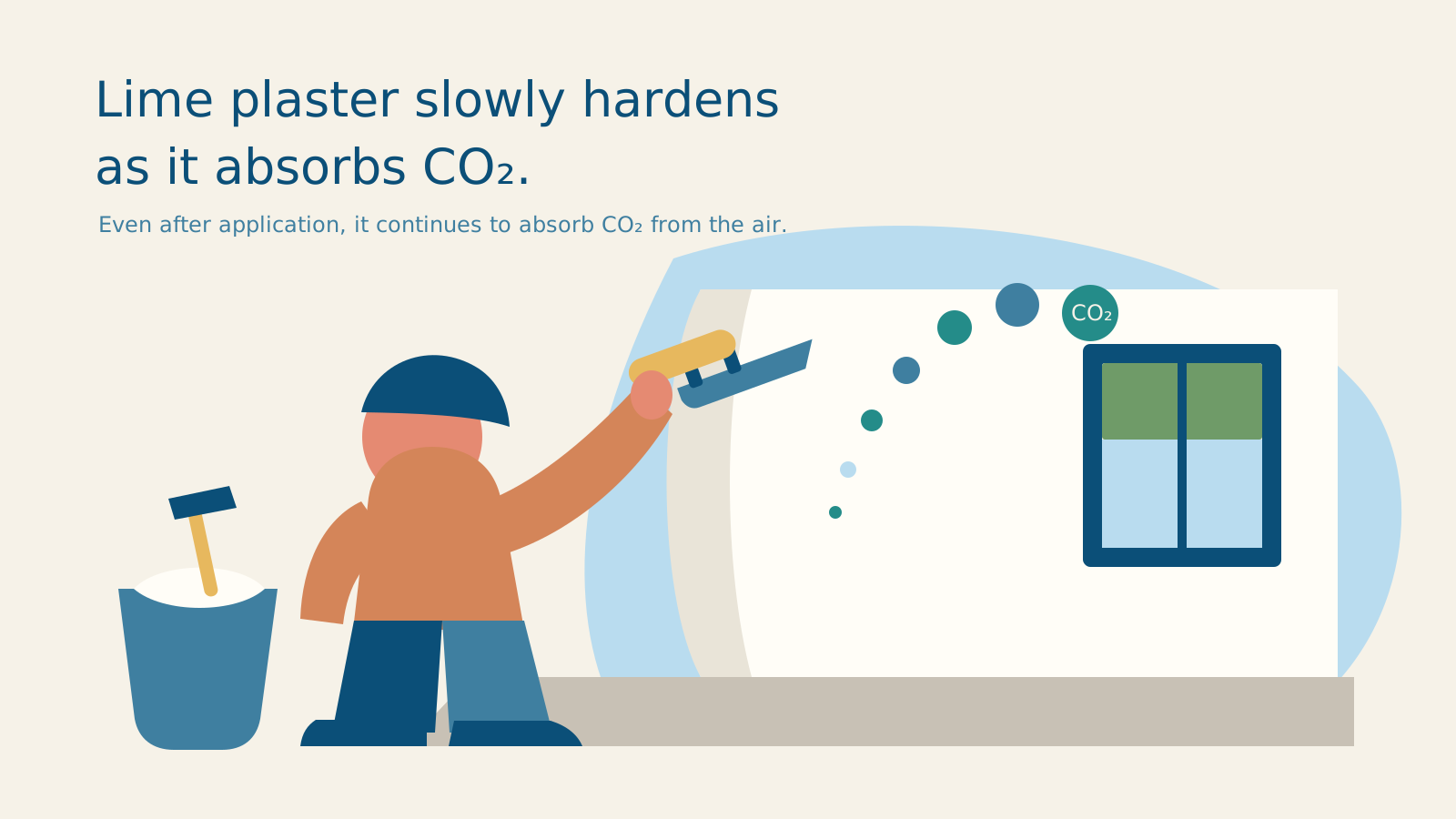
First, let’s talk about shikkui. After it’s applied to a wall, shikkui hardens while slowly absorbing CO2 from the air. Over time, it gradually reverts to a state similar to its original form—limestone. Don’t you find that fascinating? Even after it becomes part of the wall, it continues to absorb CO₂ little by little. What’s more, the more it’s used in its natural state—without mixing in unnecessary chemicals—the more powerful this ability becomes.
However, some people might think, “Doesn’t burning limestone release CO₂?” You’re absolutely right. The process of burning the stone inevitably releases CO₂. For a typical company, that would be the end of the story. However, Tagawa Shikkui Labs has a ceramics called “Limix” that’s made without firing. This Limix is a unique ceramics that only hardens after being tightly compressed and then infused with CO₂.
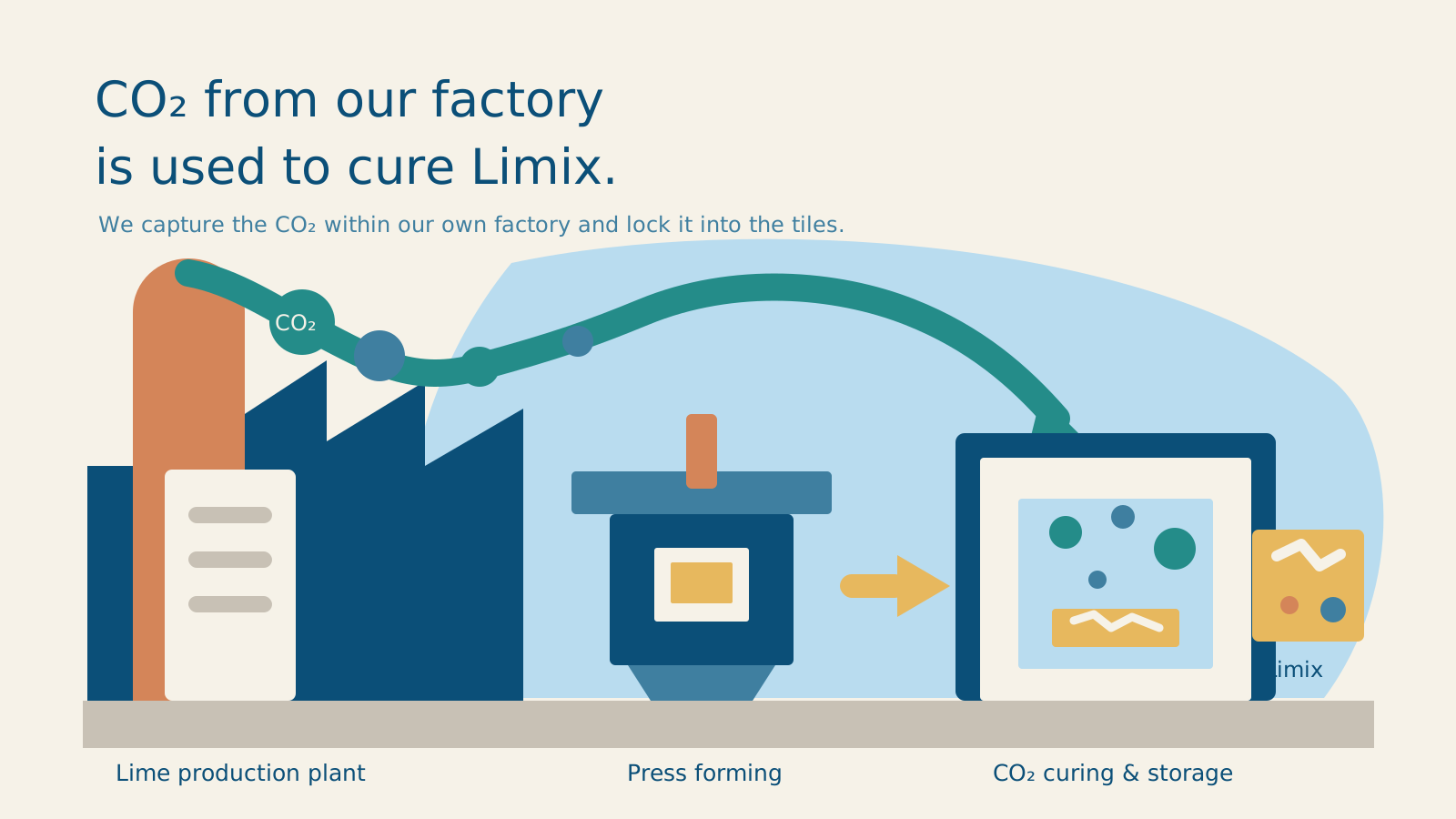
So, Tagawa Shikkui Labs came up with an idea: Instead of letting the CO₂ emitted from the factory escape into the atmosphere, why not collect it and put it to use? In fact, they use ducts to collect the CO₂ emitted from the factory and send it directly to the room where Limix is cured. They’re trapping the CO₂ they produce right inside their own tiles. They’ve created a closed-loop system within the company itself, without relying on outside sources. Don’t you think that’s pretty amazing?
Now, let’s take a moment to think about this. For many companies, reducing CO₂ means making efforts “outside” their core operations—like planting trees or conserving electricity. But at Tagawa Shikkui Labs, the very act of manufacturing is already part of the cycle. There aren’t actually that many companies that are sustainable right down to the roots of their operations.
The more we produce, the more CO₂ we sequester. We want to take this “common sense” approach from Tagawa and make it the global standard. That’s the kind of manufacturing we value.