
• HOME      >      
  • Product Overview      >      
  • Substrate Materials, etc.      >      
  • Various Susas

Susa

Susa (Fibers)

  • pr0016
  • pr0016_2
  • pr0016_3
  • pr0016_4
  • pr0016_5
  • pr0016_6
  • pr0016_7
  • pr0016_8
  • pr0016_9
  • pr0016_10

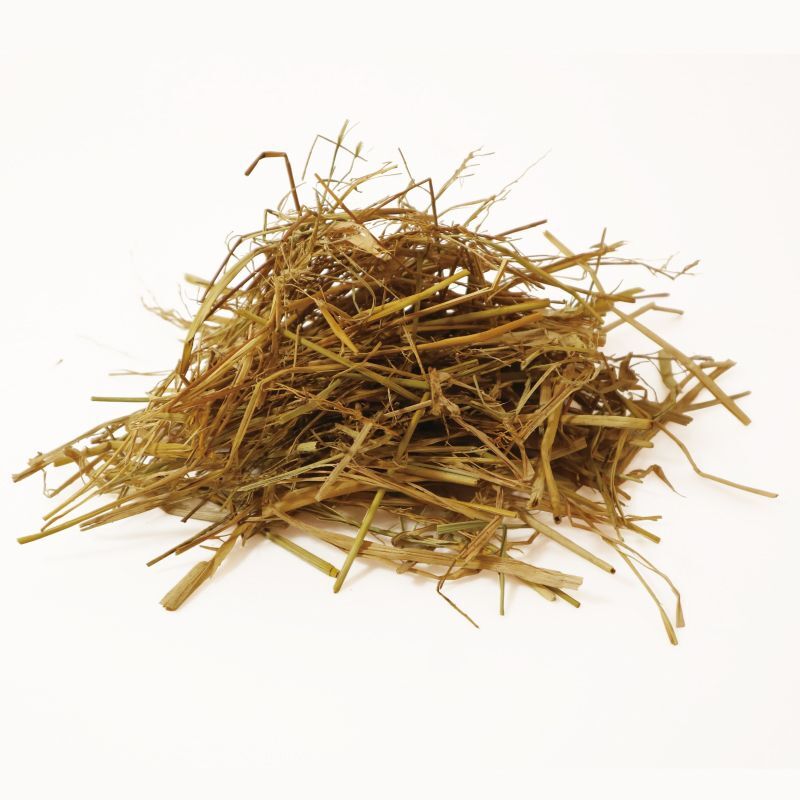
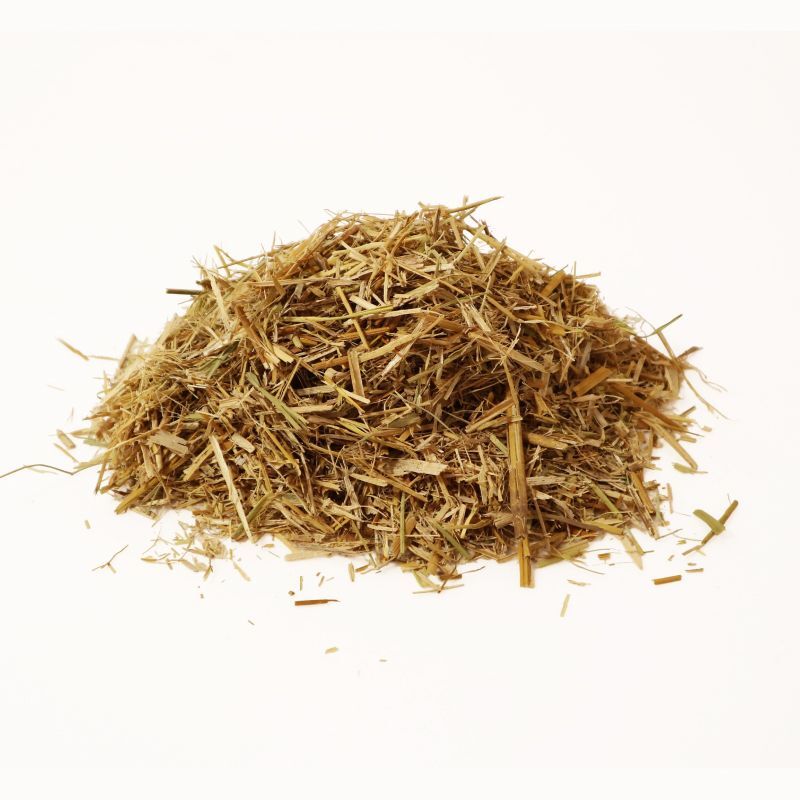
Product Specifications: De-bittered Straw (Special Grade)

De-saponified straw fiber, for intermediate and top coats. Add an appropriate amount to clay or plaster.

Uses

Earthen walls, plaster finishes, etc.

Length

About 20 mm

Quantity per package

Approximately 2.5 kg per bag

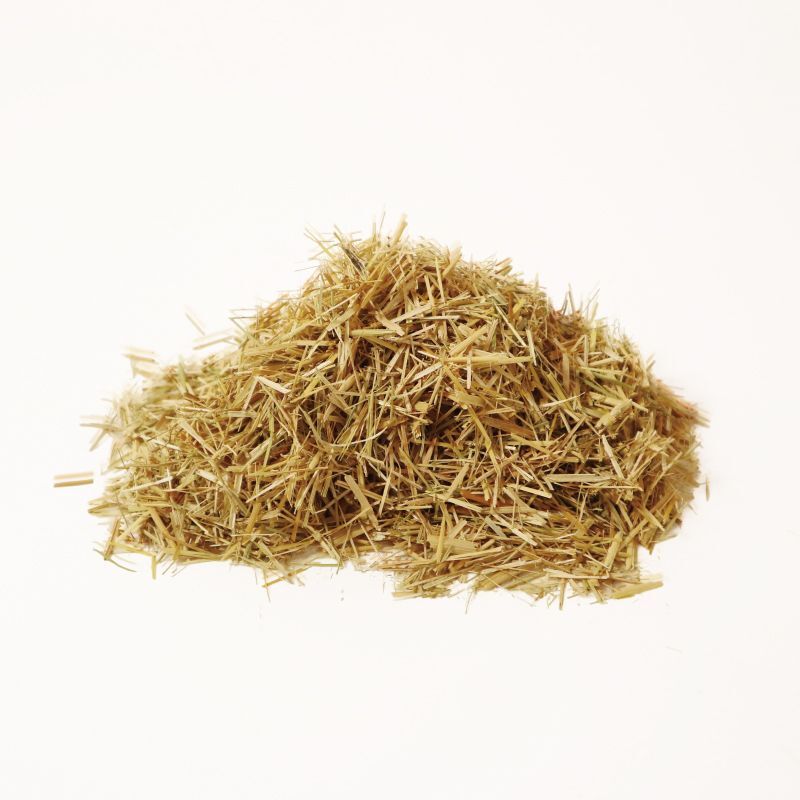
Product Specifications: "Hinohikari" Straw (20)

This is straw that hasn't been soaked to remove the bitterness and is still somewhat stiff. It's for the middle coat.

Uses

Trimming, intermediate coating, finishing, etc.

Length

About 20 mm

Quantity per package

Approx. 1.5 kg per bag

Product Specifications: "Hinohikari" Straw Hat (40)

This is straw that hasn't been soaked to remove the bitterness and is still somewhat stiff. It's for the middle coat.

Uses

Rough Plastering, Major and Minor Repairs, Spot Repairs, etc.

Length

Approximately 40 mm

Quantity per package

Approx. 1.5 kg per bag

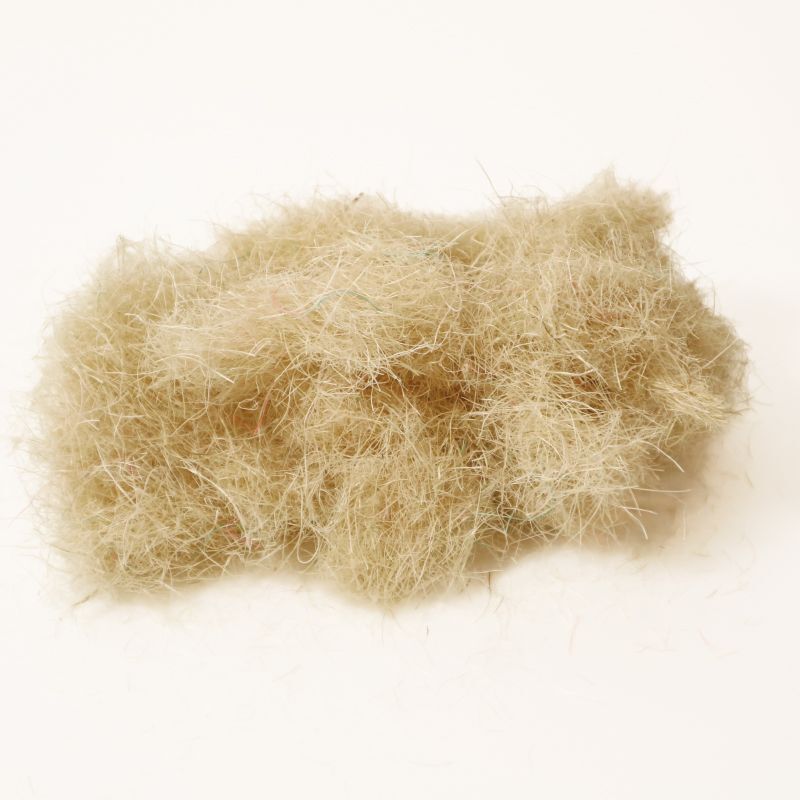
Product Specifications: “Ise Hikari” Hadasusa

This is Hadasusa that has not been blanched and has had the knots removed.

Uses

Earthen Wall Finishes, etc.

Length

Approximately 40 mm

Quantity per package

Approx. 1.5 kg per bag

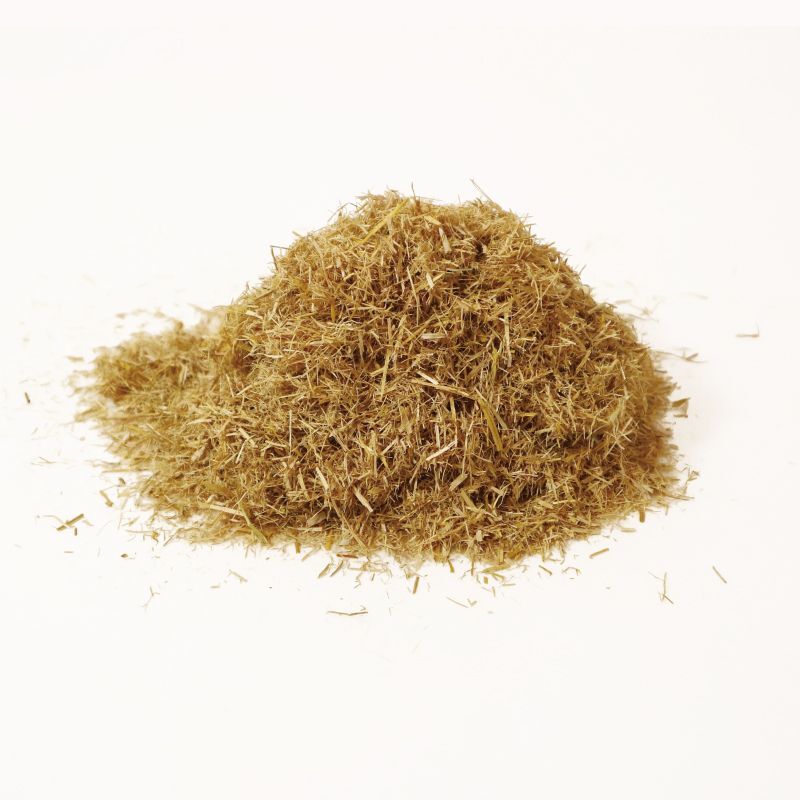
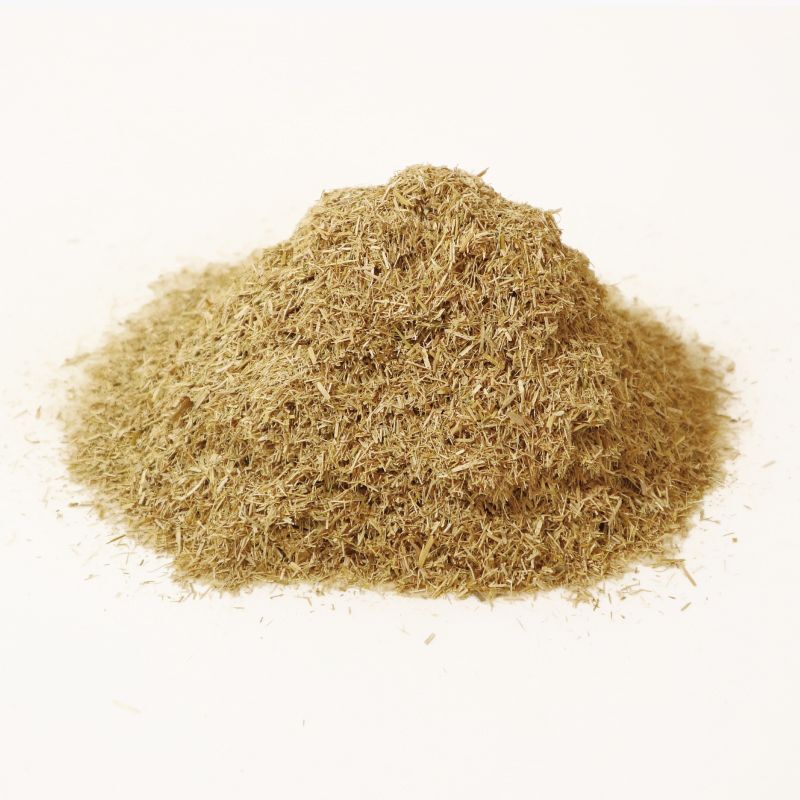
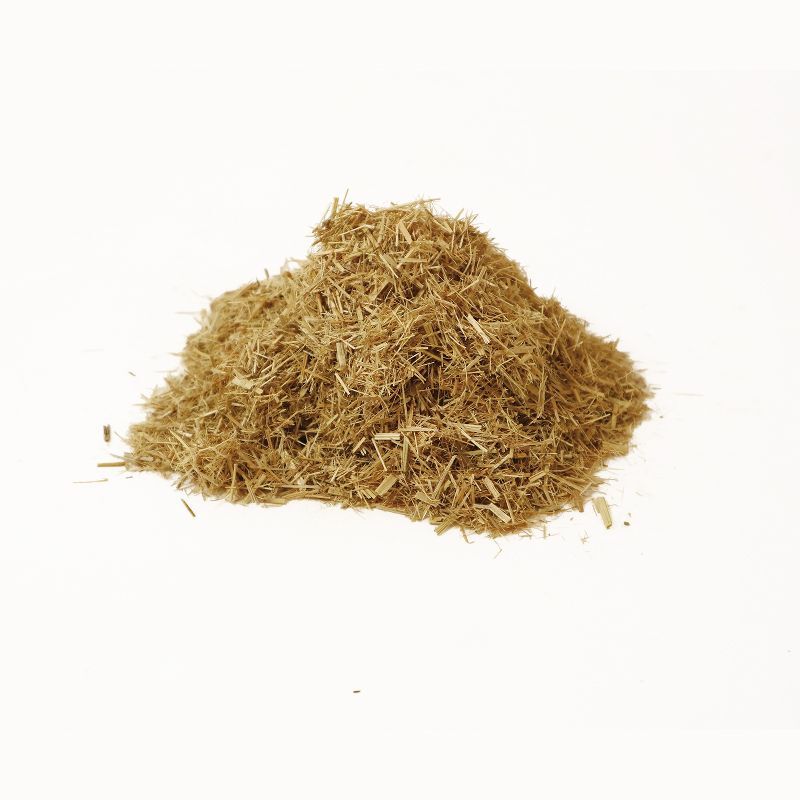
Product Specifications: "Asahi" Minced Susa

This is finely chopped susa that hasn't been soaked to remove the bitterness.

Uses

For topcoats on earthenware, etc.

Length

About 2 mm

Quantity per package

Approx. 1 kg per bag

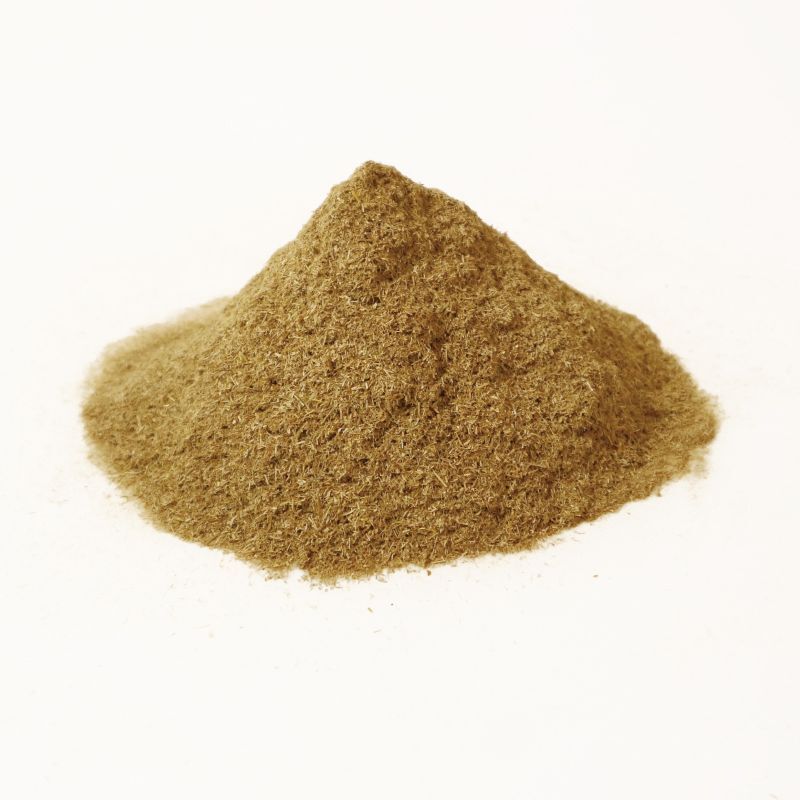
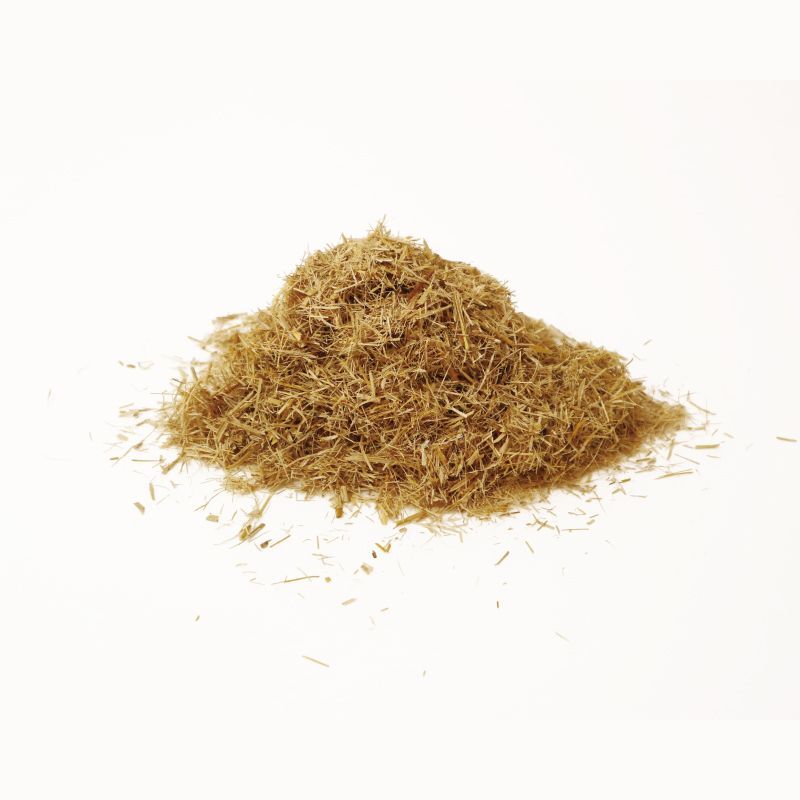
Product Specifications: "Asahi" Juraku Susa

Uses

For topcoats on earthenware, etc.

Length

About 1 mm

Quantity per package

Approx. 300 g per bag

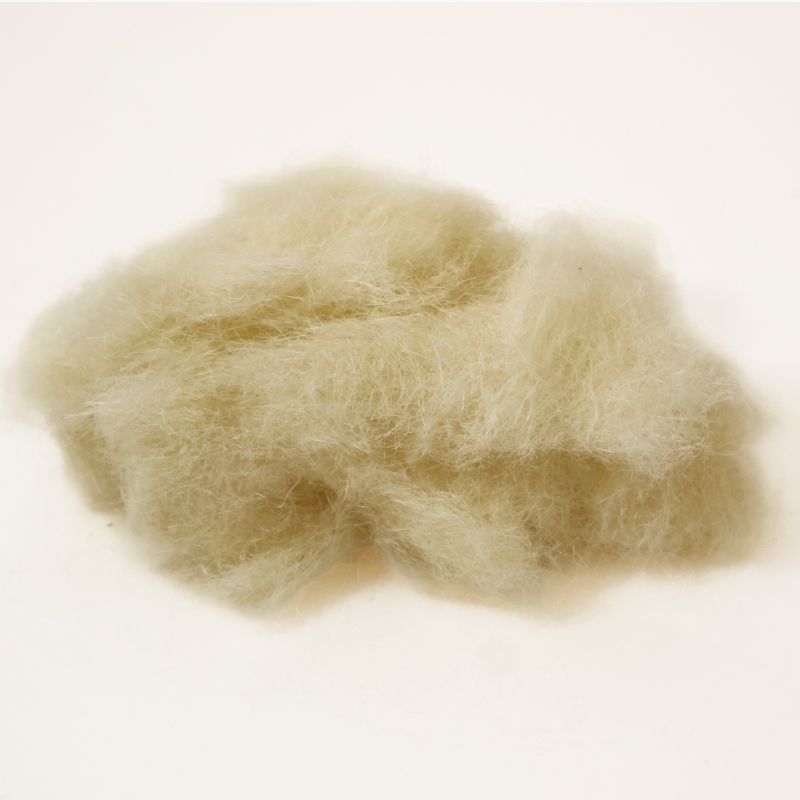
Product Specifications: Shirayuki (Jo-Susa)

Made from natural hemp fibers that have been bleached. Add an appropriate amount to the topcoat plaster.

Uses

Plaster Topcoat, etc.

Length

About 20 mm

Quantity per package

About 800 grams

Product Specifications: Manila Susa

A filler made from materials such as old sacks and old ropes. Intended for use as a primer and intermediate coat.

Uses

Plaster Intermediate Coat, etc.

Length

About 20 mm

Quantity per package

About 800 grams

Frequently Asked Questions

Q.

First of all, what exactly is “susa (苆)”? Why is it mixed into the walls?

A.

Susa is a fibrous material mixed into earthen walls and shikkui. Much like rebar in concrete, it serves to bind the layers of plaster together, preventing cracks that form as the plaster dries and shrinks. It has long been an indispensable material in shikkui, traditional Japanese plastered walls.

Q.

There are so many types—how should I choose?

A.

The basic rule is to choose based on “which stage (layer) it will be used for.” As a general guideline, use longer, stronger fibers for the lower layers, and shorter, finer fibers as you get closer to the finishing stage.

  • Rough plastering, minor repairs, and leveling → “Hino Hikari” straw fiber (40) with longer fibers (approx. 40 mm)
  • Re-coating and intermediate coat → “Hino Hikari” straw fiber (20); for a lime plaster intermediate coat, use Manila straw
  • Top coat and finishing → Fine straw. For earthen finishes, use “Asahi” minced straw or Juraku straw; for lime plaster, use Shirayuki

Q.

What is “removing bitterness”? How do you decide whether or not to remove bitterness?

A.

Rice straw contains “tannins” (substances such as tannic acid), and if used untreated, it can cause stains or yellowing on white plaster or light-colored finishes.Straw that has undergone a tannin-removal treatment prevents this, so for white plaster or light-colored finishes, we recommend products marked “Tannin-Removed” such as “Tannin-Removed Straw (Special)” or “Shirayuki.” For base coats, intermediate coats, or earthen wall finishes where color bleeding is less likely, you can use the straw without tannin removal without any issues.

Q.

What is the difference between Warasato and Manila Susa?

A.

Warasusa is made from rice straw and is widely used for earthen walls, from the rough coat to the finish coat. Manilasusa is made from Manila hemp fibers; because the fibers are strong and the color is whitish, it is well-suited for plaster (especially the intermediate coat).As a general rule of thumb, “use warasusa for earthen walls, and hemp-based materials (Manila sasa) or Shirayuki for plaster walls.” Remembering this makes it easier to choose the right material.

Q.

What do “Hinohikari,” “Ise Hikari,” and “Asahi” refer to?

A.

These are the names of the rice (straw) varieties used as raw materials. Even though they are all “warasusa,” the texture of the fibers varies depending on the variety and region of origin; therefore, we have clearly listed the variety names so that you can select the one best suited to your intended use. All are produced in Oita Prefecture. This variety is specifically cultivated by Harada Saken Co., Ltd., located in Oita Prefecture, for use in earthen and shikkui walls.